JB Rental Yields, Realistically: Gross vs Net in 2026
Published on July 17, 2026·7 min read
What do Johor Bahru condos actually earn? Gross yields run about 5-6.5%, net is lower. A worked SkyOne example, the real costs, and the RTS demand story.

What do Johor Bahru condos actually earn? Gross yields run about 5-6.5%, net is lower. A worked SkyOne example, the real costs, and the RTS demand story.

The sales flyer promises 7%. Your bank statement will say something quieter. The gap between the two is where most first-time landlords lose money — and it is entirely knowable before you buy. Here is what Johor Bahru property actually earns, and how to work out your own number.
Gross yield is annual rent divided by the price — the headline number every brochure quotes. Net yield is what is left after the building takes its cut: maintenance, sinking fund, quit rent, assessment, insurance, the odd repair, and the months a unit sits empty between tenants. Net is always lower, and net is the only figure that pays your loan. Treat any yield you are quoted as gross until proven otherwise.
Across Johor Bahru, gross rental yields cluster between 5% and 6.5%, with a city average near 5.2% — roughly in line with the national average and ahead of it in the strongest city-centre pockets, but well short of developer-deck promises (Global Property Guide, accessed July 2026). The spread is wide because unit type drives yield more than postcode: compact studios and one-bedroom units carry the highest gross yield per square foot, while larger units and landed homes sit lower. City-centre stock near the CIQ commands the strongest rents, which is where the RTS story comes in.
Rental yield is only as good as the tenant pool behind it. Today a JB city-centre landlord rents to locals and to Malaysians who cross to Singapore for work. From early 2027, the RTS Link at Bukit Chagar — 300 m from SkyOne — puts Woodlands North about five minutes away, and the tenant pool grows to include commuters who earn in Singapore dollars and pay rent from an SGD salary. A tenant paying MYR rent out of SGD income can absorb a higher rent than one earning locally, which supports both occupancy and the rate near the station. Proximity is the lever: the closest freehold stock to the platform captures that demand first. See how the corridor works in our Malaysian buyer's market guide.
To go from a headline yield to a real one, subtract the ownership costs. For a strata unit in JB, budget for:
Our financing guide covers how the loan side fits on top of these.
Take the entry Type A dual-key at SkyOne — 463 sq ft, freehold, filed SPA price about RM628,000 — and rent it at a conservative RM2,800 a month (RM33,600 a year), in line with city-centre studio rents on live listings today (RM1,300-2,500+ per month; PropertyGuru, accessed July 2026):
The figures are illustrative — your rent, maintenance rate and vacancy will vary — but the shape holds: a ~5.4% gross yield becomes roughly 4.2% net before tax. Finance the same unit at around 4% and the net yield sits close to your borrowing cost, which is the honest reality of a new build: early on, the case leans on capital growth and the option value of the layout, not on cash flow alone. Size the monthly repayment before you commit.
SkyOne's dual- and triple-key layouts split one title into separate lockable units with their own entrances. That gives a Malaysian owner two honest options: live in one key and rent the other to cover part of the loan, or rent both and run the unit as pure income. Each key rents like a compact studio, so a dual-key can target a higher combined rent than a single door of the same size — which lifts the effective yield when both keys are let. It also suits multi-generational living: parents in one key, adult children in the other. The trade-off is smaller individual spaces, so match the layout to real tenant demand, not to the highest theoretical rent. More on this in our dual-key guide.
Yield is the income; the sale is the other half of the return, and tax decides how much you keep. For Malaysian citizens, Real Property Gains Tax falls with the holding period — 30% in years one to three, 20% in year four, 15% in year five, and 0% from the sixth year onward (LHDN, accessed July 2026). Hold past the five-year mark and a citizen keeps the full gain. Freehold tenure means there is no lease decay eating into that gain over a long hold — one reason a yield-plus-growth play works better on freehold, RTS-adjacent stock. For the full buyer's-cost picture, see our cost breakdown.
Two things keep the maths honest. First, supply: central JB has a lot of new stock completing over the next few years, and more units mean more competition for tenants — which caps rents and can stretch vacancy. Second, the yield today is not the yield at handover: SkyOne completes in November 2030, so today's rents are a guide, not a guarantee. The mitigants are the ones you can check: genuine proximity to the RTS (a measured 300 m), freehold tenure, and a location tenants actually want. Buy for a medium-to-long hold, let the corridor mature, and let the 0% RPGT window do its work.
Don't buy on a brochure yield. Take the filed price, a conservative market rent, and subtract the real costs above — then compare the net figure to your loan rate. Run your numbers on the installment calculator, then message us for a unit-specific rent-and-yield projection on the SkyOne layout that fits your budget.
Discover more insights and updates about our premium development
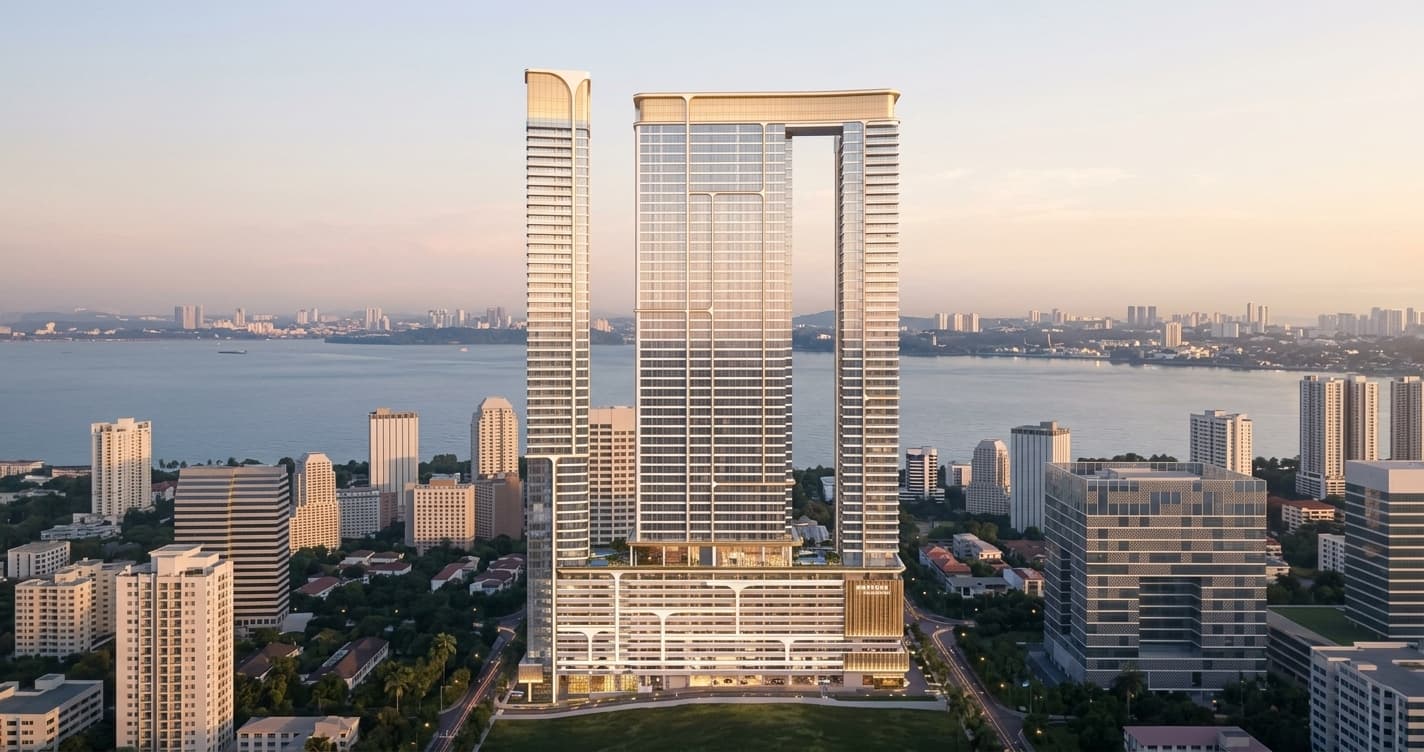
Every CTC SkyOne floor plan, from the 463 sq ft Type A to the 1,270 sq ft Type G: areas, beds, and exactly how each dual-key layout splits. From ~RM628,000.
Published on September 9, 2026 · 7 min read
Five High-Performing (SBT) schools, Foon Yew and early-opening preschools all sit within 4 km of Bukit Chagar — close enough to drop the kids and still make the crossing.
Published on September 7, 2026 · 6 min read
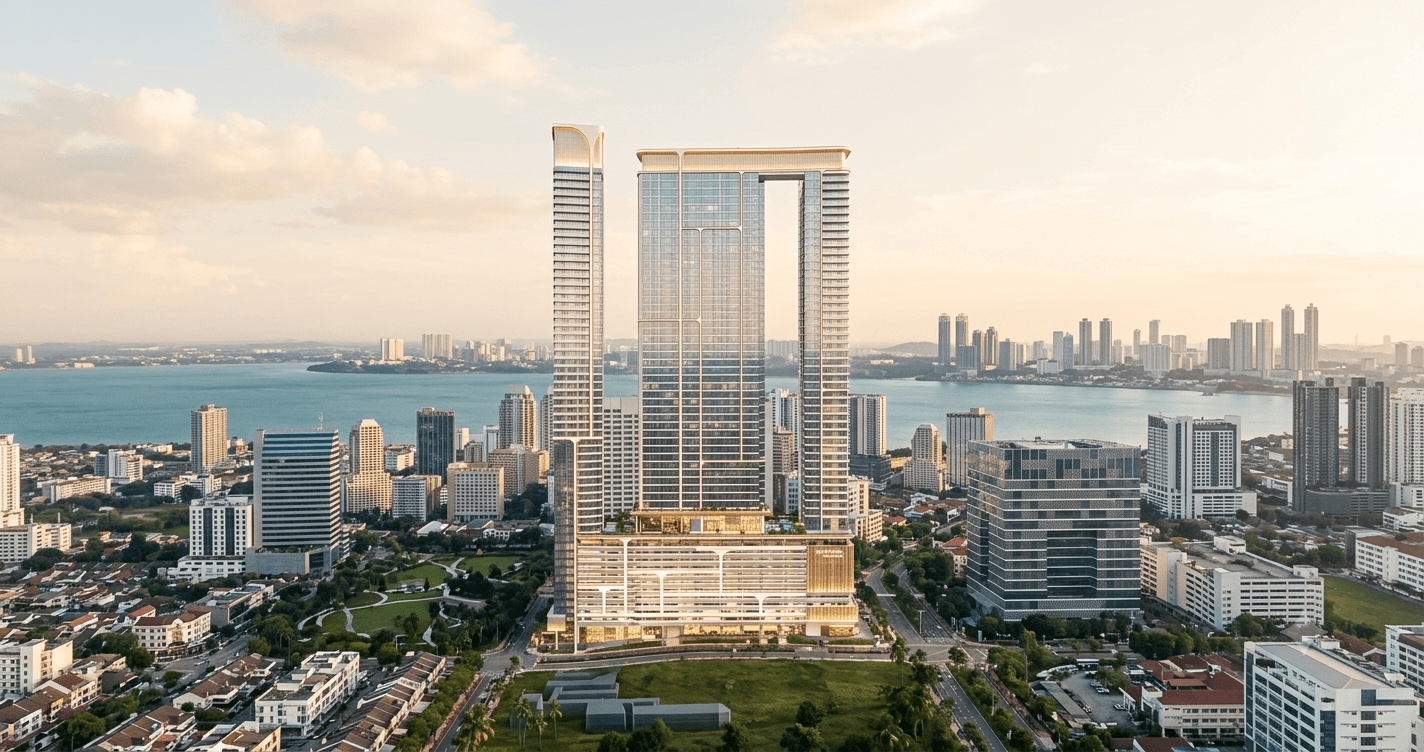
Work in Singapore? Earn SGD, borrow ringgit and buy a JB home as a local: no RM1m floor, no state consent, tiered stamp duty. The cross-border maths.
Published on August 21, 2026 · 7 min read