How Malaysians Finance a JB Property: Loans, LTV, EPF
Published on July 13, 2026·7 min read
How much a Malaysian can borrow for a Johor Bahru home, how to use your EPF for the deposit, and what banks approve. The local financing playbook for 2026.

How much a Malaysian can borrow for a Johor Bahru home, how to use your EPF for the deposit, and what banks approve. The local financing playbook for 2026.

You have found the unit. The question that decides whether you can actually buy it comes next: how much will the bank lend, and how much cash do you need up front? For a Malaysian buying in Johor Bahru, the answer is friendlier than most people expect — you borrow as a local, at local rates, with your EPF on your side. Here is how the financing works, from your borrowing limit to the deposit to the monthly repayment.
Malaysian banks lend against the property's value, and Bank Negara Malaysia sets the ceiling by how many home loans you already carry:
That 90% ceiling is the single biggest reason buying in JB as a local is manageable. On a ~RM628,000 SkyOne unit, a 90% loan means a deposit near RM63,000 rather than the full price. The bank will still lend only what your income supports — see your DSR below — but the structural cap is generous for your first two homes. (Bank Negara Malaysia, accessed 13 July 2026.)
The deposit is where EPF earns its keep. Since the 2024 account restructure, your monthly contribution splits three ways — the bulk into Akaun Persaraan for retirement, a slice into Akaun Fleksibel you can take any time, and the middle account, Akaun Sejahtera, earmarked for housing, health and education. Housing withdrawals come from Akaun Sejahtera — the account many still call Account 2.
What you can do with it:
For many buyers that turns a deposit they were still saving toward into money they already hold. Check your balance in i-Akaun before you commit. (KWSP, accessed 13 July 2026.)
Your loan limit is the lower of two numbers: the 90% ceiling above, and what your income can service. Banks measure the second with the debt service ratio — the share of your net monthly income already going to debt, once the new home-loan instalment is added in.
There is no single legal cap, but the working range most banks approve is total commitments under roughly 60–70% of net income, and they are stricter on lower incomes than higher ones. Card balances, car loans and personal loans all count, so clearing a small debt before you apply can lift the loan you qualify for. (CIMB, accessed 13 July 2026.)
Many SkyOne buyers are Malaysians who work in Singapore and clear the border every day. You buy as a local — no RM1 million floor, no state consent — and you can borrow from a Malaysian bank on a Singapore salary. The trade-off is paperwork: banks want your SGD income documented — payslips, CPF records, bank statements, sometimes an employment letter — and they convert it to ringgit at a haircut when they size the loan. Line up clean, recent documents before you apply, and the SGD-income against MYR-cost gap works firmly in your favour on the monthly repayment.
Home-loan rates in Malaysia move with the Overnight Policy Rate. Bank Negara held the OPR at 2.75% through 2026, and the standardised base rate tracks it, so effective home-loan rates for well-qualified borrowers sit around 3.6–4.0%. Over a 30-year loan, small differences in the spread add up, so compare two or three banks rather than take the first offer. (Bank Negara Malaysia, accessed 13 July 2026.)
Your bank will also ask how you want to insure the loan:
Neither is required by law, though most banks want one in place. Which fits depends on whether you value the lower cost or the portability.
Financing adds one cost worth planning for: loan-agreement stamp duty of 0.5% of the loan amount. On a ~RM565,000 loan that is about RM2,825. There is real relief for first-timers — a Malaysian citizen buying a first home priced up to RM500,000 pays no stamp duty on either the transfer or the loan, for agreements signed between 2026 and 2027. SkyOne's entry units start just above that line at around RM628,000, so they fall outside the full exemption; you would pay the graduated transfer duty (1% on the first RM100,000, 2% up to RM500,000, 3% up to RM1 million) plus the 0.5% loan duty. Our full breakdown of buying costs walks through every line item. (LHDN, accessed 13 July 2026.)
If you have the cash, should you still take a loan? At today's 3.6–4.0% rates, financing keeps your capital free — for the deposit on a second unit, for renovations, or invested elsewhere — while a tenant or the appreciation does the work. Paying cash saves the interest and the loan costs and suits a buyer who wants no monthly commitment, but it ties up money that could earn more than the loan rate. For most working buyers, financing the bulk and keeping a cash buffer is the steadier play. Dual-key layouts stretch this further — live in one half and let the rent from the other cover part of the instalment.
Take an entry unit at around RM628,000, financed as a first home at 90%:
The bank then sizes the monthly repayment from that loan, your rate and your tenure — and that is the number your DSR has to carry. Put the RM565,000 loan into the installment calculator to see the monthly figure at today's rates, then check it against your income.
Financing a JB home as a Malaysian comes down to three numbers: your 90% ceiling, your EPF balance, and your DSR. Line those up and the rest follows. Run your monthly repayment on the installment calculator, then talk to us for the SkyOne layout that fits your budget.
Discover more insights and updates about our premium development
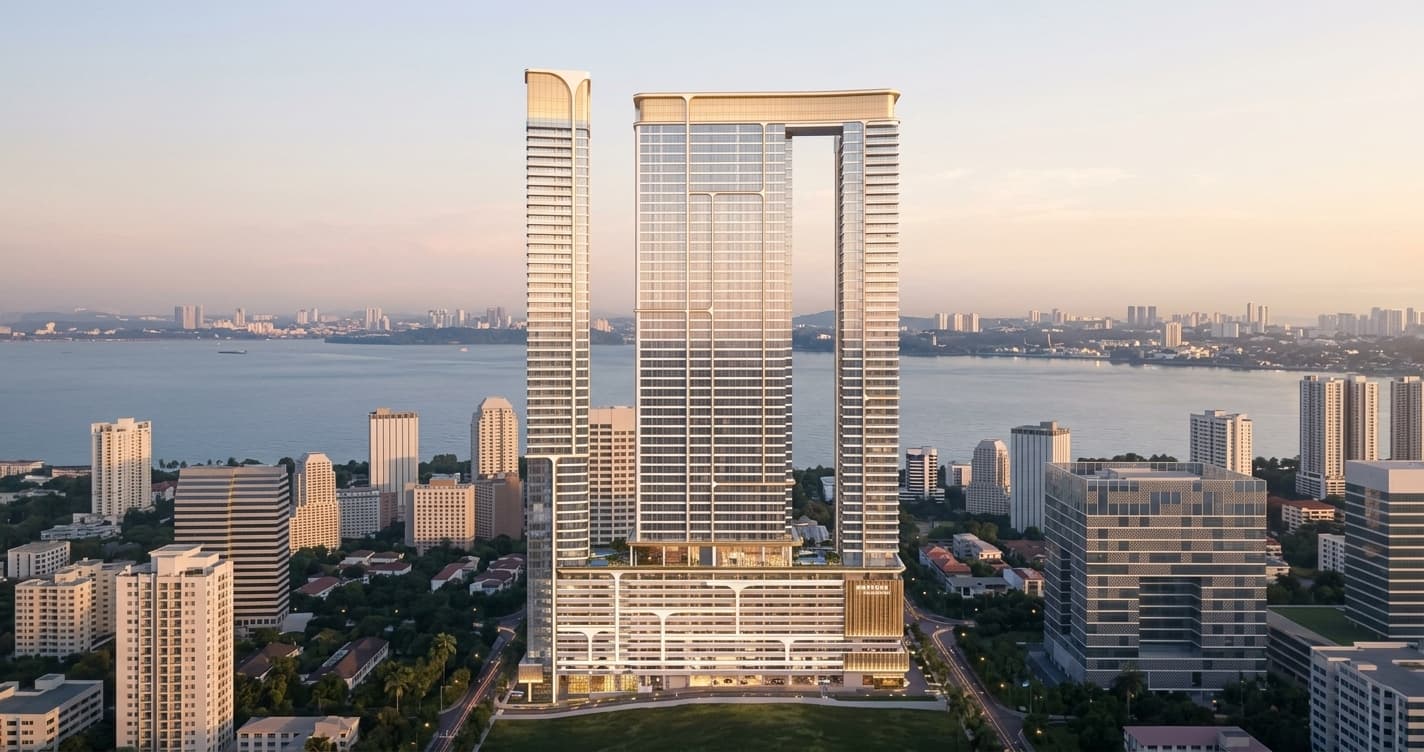
Every CTC SkyOne floor plan, from the 463 sq ft Type A to the 1,270 sq ft Type G: areas, beds, and exactly how each dual-key layout splits. From ~RM628,000.
Published on September 9, 2026 · 7 min read
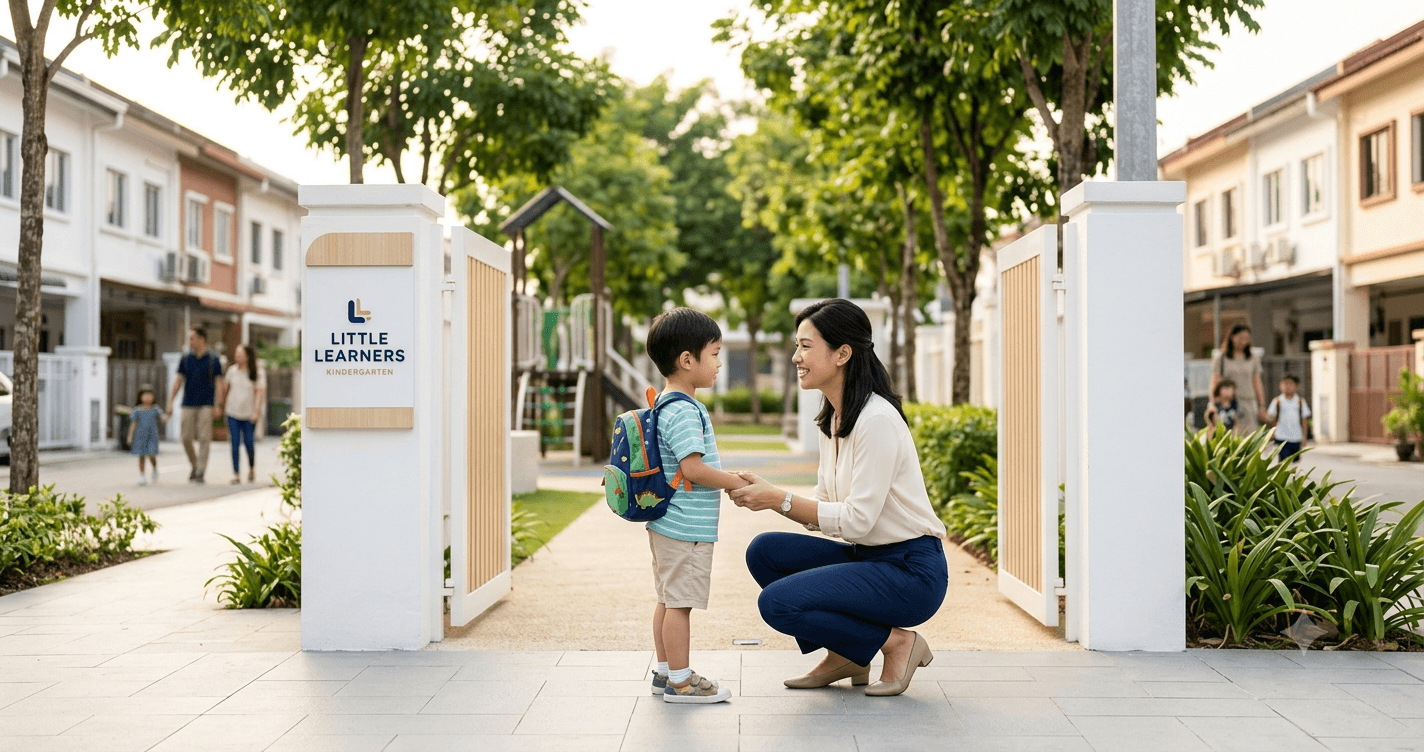
Five High-Performing (SBT) schools, Foon Yew and early-opening preschools all sit within 4 km of Bukit Chagar — close enough to drop the kids and still make the crossing.
Published on September 7, 2026 · 6 min read
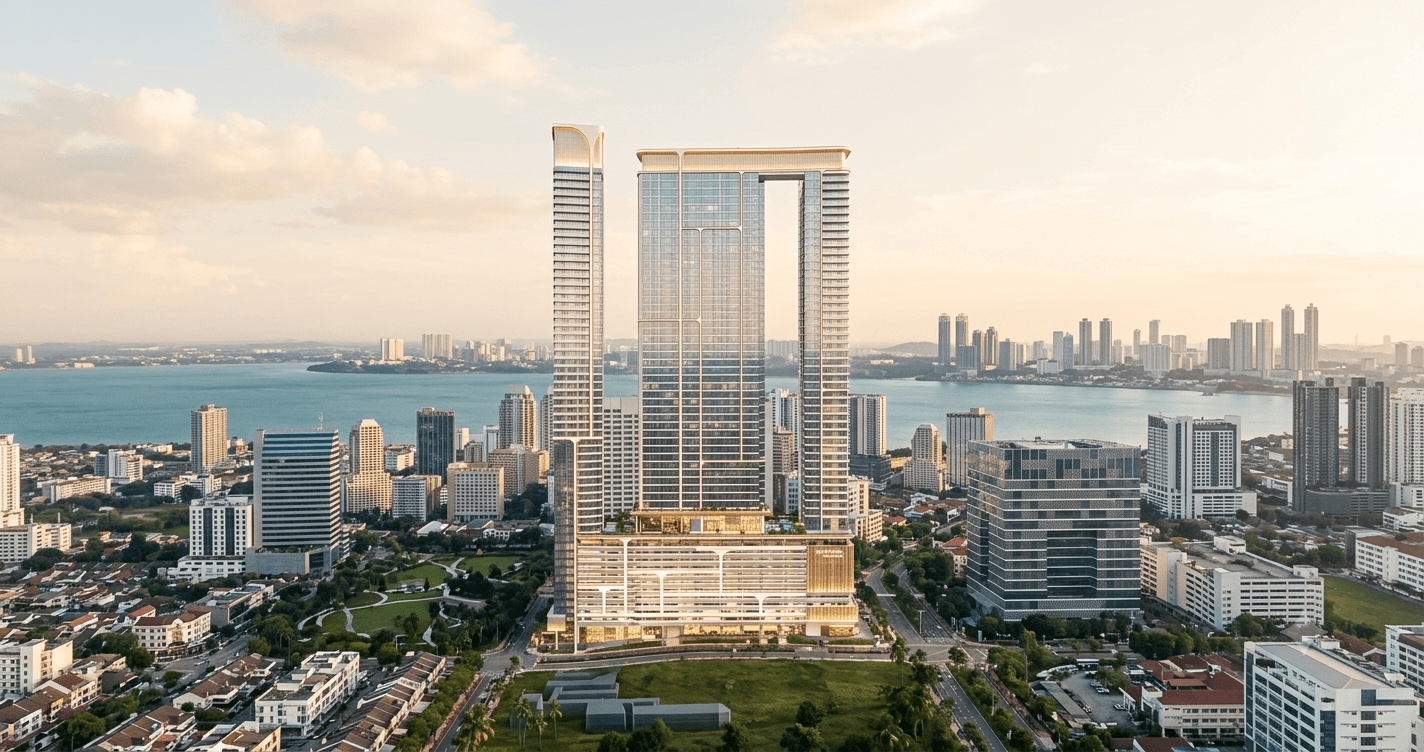
Work in Singapore? Earn SGD, borrow ringgit and buy a JB home as a local: no RM1m floor, no state consent, tiered stamp duty. The cross-border maths.
Published on August 21, 2026 · 7 min read