Earn SGD, Buy JB Property in MYR as a Malaysian
Published on August 21, 2026·7 min read
Work in Singapore? Earn SGD, borrow ringgit and buy a JB home as a local: no RM1m floor, no state consent, tiered stamp duty. The cross-border maths.

Work in Singapore? Earn SGD, borrow ringgit and buy a JB home as a local: no RM1m floor, no state consent, tiered stamp duty. The cross-border maths.
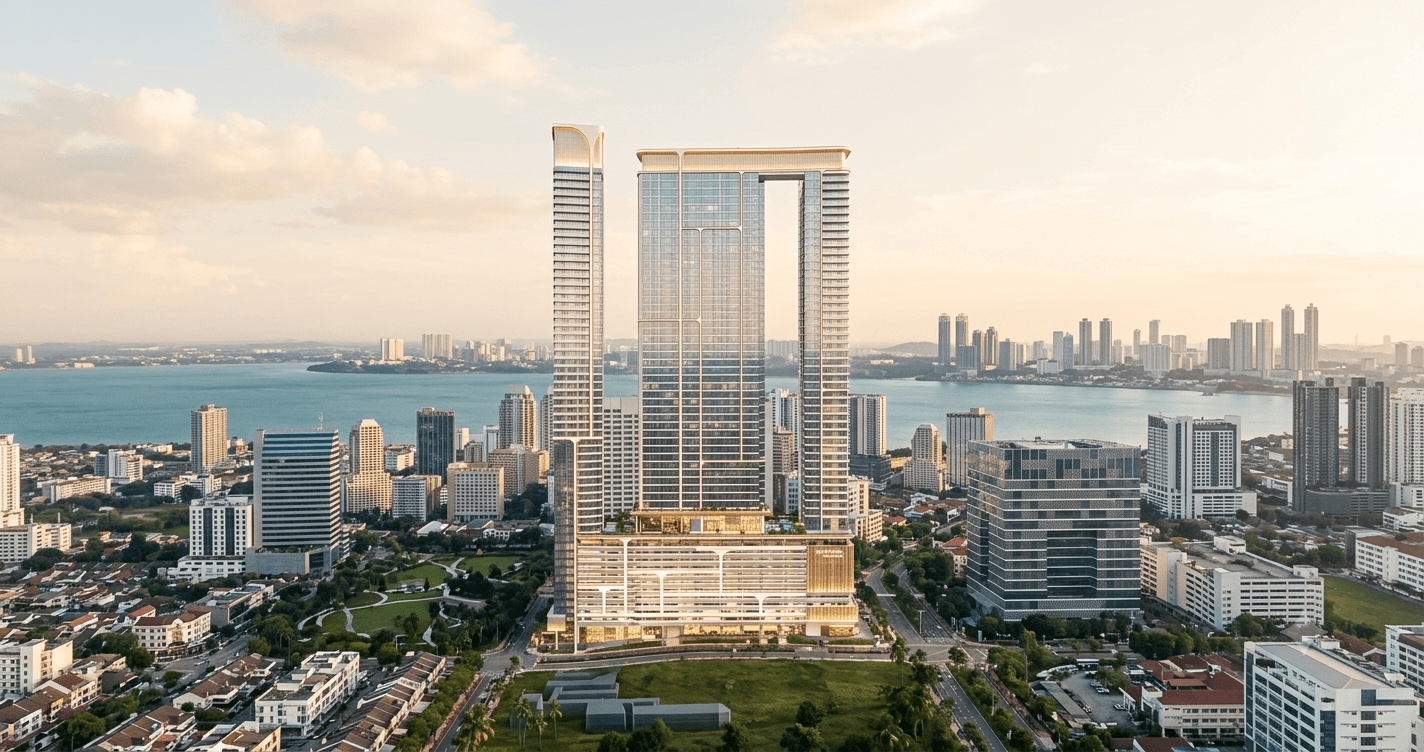
You clock in across the border, so your salary lands in Singapore dollars. You sleep in Johor Bahru, so your rent, your food, and — if you buy — your mortgage are priced in ringgit. In mid-2026 one Singapore dollar buys roughly RM3.18 (Wise SGD–MYR history, August 2026). That gap is the whole play, and it works in three moves:
The first two moves are just currency. The third is the law, and it is where most of the money is. Here is what it means item by item.
Foreigners — Singaporeans included — face a wall of extra cost and process on a Johor purchase. You skip all of it.
Add it up and the local buyer's entry cost is a fraction of the foreigner's. For the full local-buyer picture, see why JB is a Malaysian buyer's market.
Price the same home in each currency and the arbitrage shows up fast. A 10% deposit on a ~RM628,000 unit is about RM62,800 — roughly S$19,700 at mid-2026 rates. That's a down payment on a freehold city-centre home, funded by a few months of an SGD salary that would barely cover annual rent in Singapore. Your monthly loan repayment is billed in ringgit too, so as long as you're paid in Singapore dollars, every instalment costs you fewer of them than the sticker suggests. The same wage that rents a room across the border can own a home in Johor Bahru. See the side-by-side in our JB vs Singapore cost-of-living breakdown.
Local status also changes the financing. Bank Negara lets Malaysians borrow up to 90% on a first or second home loan; the cap drops to about 70% only from the third property onward (Bank Negara Malaysia). You can also draw on your EPF/KWSP housing withdrawal to fund the deposit or reduce the loan — a lever a foreign buyer has no access to. One caveat worth knowing: a Singapore salary needs the right paperwork to count toward a Malaysian loan, and banks size the loan against your debt-service ratio. The mechanics are laid out in how Malaysians finance a JB property.
The advantage runs all the way to the sale. Real Property Gains Tax for a Malaysian citizen steps down with the holding period — 30% in years one to three, 20% in year four, 15% in year five, and 0% from the sixth year onward (Inland Revenue Board, LHDN). A foreigner never reaches zero; the lowest they pay is 10%. Hold your JB home past the five-year mark and any gain is yours to keep. That schedule rewards buying a freehold asset you plan to hold, not flip.
The arbitrage only pays if getting to work stays easy. SkyOne is a measured 300 m from Bukit Chagar station, one end of the RTS Link. The line runs to Woodlands North in Singapore in about five minutes, with a single immigration clearance at Bukit Chagar, and is targeted to open in early 2027 (treat the date as a target — testing is still under way). From Woodlands North you connect onto the Thomson–East Coast Line for the rest of the trip. For a sense of the daily rhythm, read a day in the life of the RTS commute.
Take SkyOne's entry Type A dual-key layout, filed from around RM628,000, freehold. As a local buyer at 90% financing:
The dual-key layout adds a second angle: live in the larger key and rent the lockable studio to another cross-border tenant, so part of the ringgit repayment comes back as ringgit rent. Your exact monthly figure depends on the rate and tenure your bank offers, so put these numbers into the installment calculator to see the repayment against your own budget.
None of this is a free lunch. Three things to weigh:
Weigh those against a freehold home 300 m from the station, bought at a local's price on a Singapore salary. If the sums make sense for you, run an entry SkyOne unit through the installment calculator, then message us on WhatsApp for a layout that fits your commute and your budget.
Discover more insights and updates about our premium development

Is Johor Bahru really cheaper than Singapore? A 2026 side-by-side on rent, food, healthcare and transport for anyone earning in SGD and living in JB.
Published on September 30, 2026 · 5 min read

How much can you borrow for a Johor Bahru home, and can EPF fund the deposit? A Malaysian's 2026 financing playbook — LTV tiers, KWSP withdrawal and DSR.
Published on September 28, 2026 · 8 min read
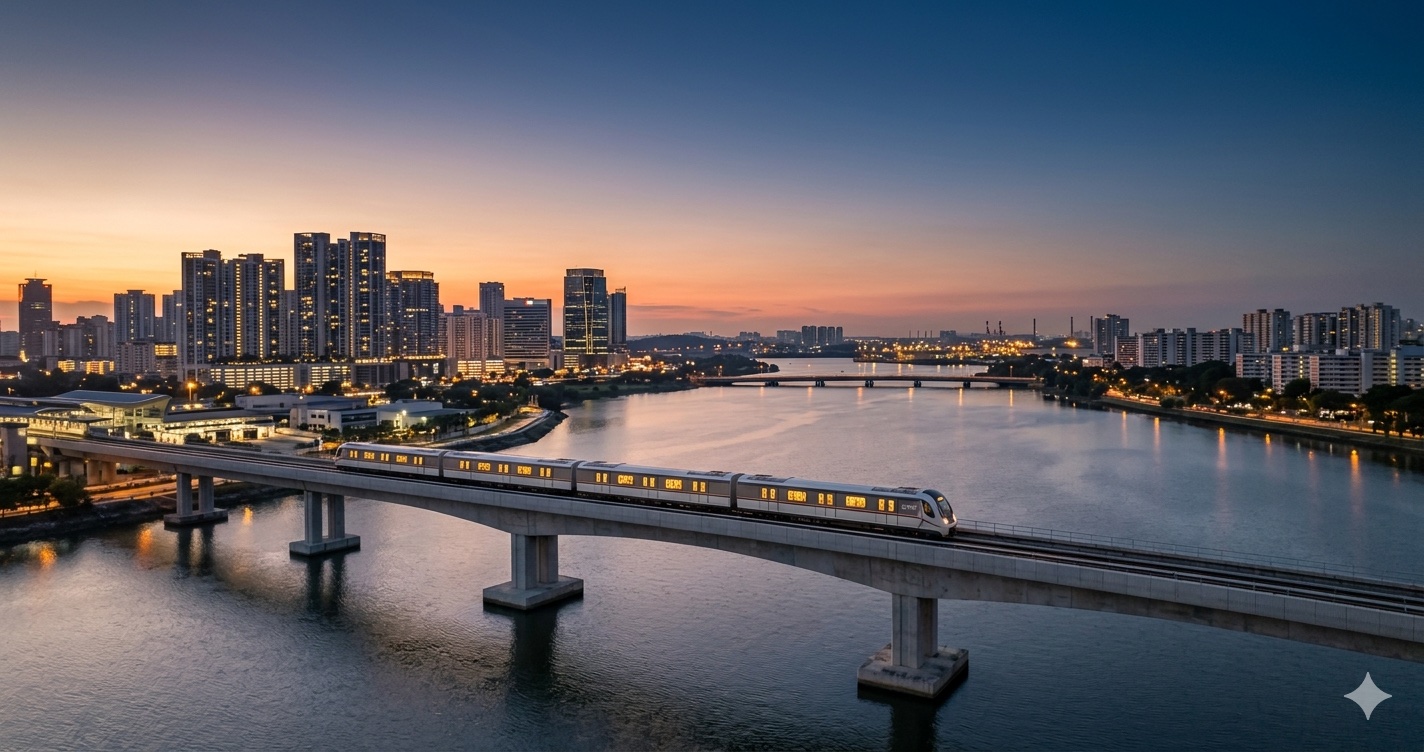
What happens to property near the RTS when Bukit Chagar opens in 2027? An evidence-led look at the proximity premium and which freehold units gain most.
Published on September 25, 2026 · 6 min read