Progressive Payment Schedule: What You Pay Before 2030
Published on November 4, 2026·5 min read
Buy a JB property off-plan and you pay in stages, not all at once - the Schedule H timeline from signing to keys, and how your loan grows with it.

Buy a JB property off-plan and you pay in stages, not all at once - the Schedule H timeline from signing to keys, and how your loan grows with it.

You sign the sale and purchase agreement this year. The keys arrive in November 2030. So what actually leaves your account in between?
When you buy a home that is still being built, you are not paying for a finished thing - you are funding its construction as it happens. Malaysian law turns that into a fixed timetable: the developer can ask for the next slice of the price only once a specific stage of the building is finished and an architect certifies it. You pay for the foundation when the foundation is done, for the frame when the frame is up, and so on down the line. That timetable is Schedule H - the statutory payment schedule for a strata property, such as a condominium or serviced apartment, sold before it is built.
Schedule H sets the order the price is released in and the share that falls due at each point. The headline shape runs like this:
Those are the standard Schedule H shares. The exact percentage at each line is written into the payment schedule of your own sale and purchase agreement, so you can read your precise timetable there before you sign. An instalment paid late carries interest - about 10% a year under the standard agreement - which is worth knowing if a stage certificate lands in a tight month.
You do not write a cheque for each stage yourself. Once your loan is approved, the bank disburses it in step with the schedule: when the developer certifies a stage, the bank releases that slice straight to the developer. This is progressive release, and it has one effect every off-plan buyer should plan for - your monthly instalment starts small and grows.
Early on, only the first slices of the loan have been drawn, so you are paying interest on a fraction of the total. As each stage is certified and more of the loan is released, the interest you owe climbs, until near completion you are servicing close to the full loan. For the loan mechanics - margin of finance, EPF, how much you can borrow - see how Malaysians finance a JB property.
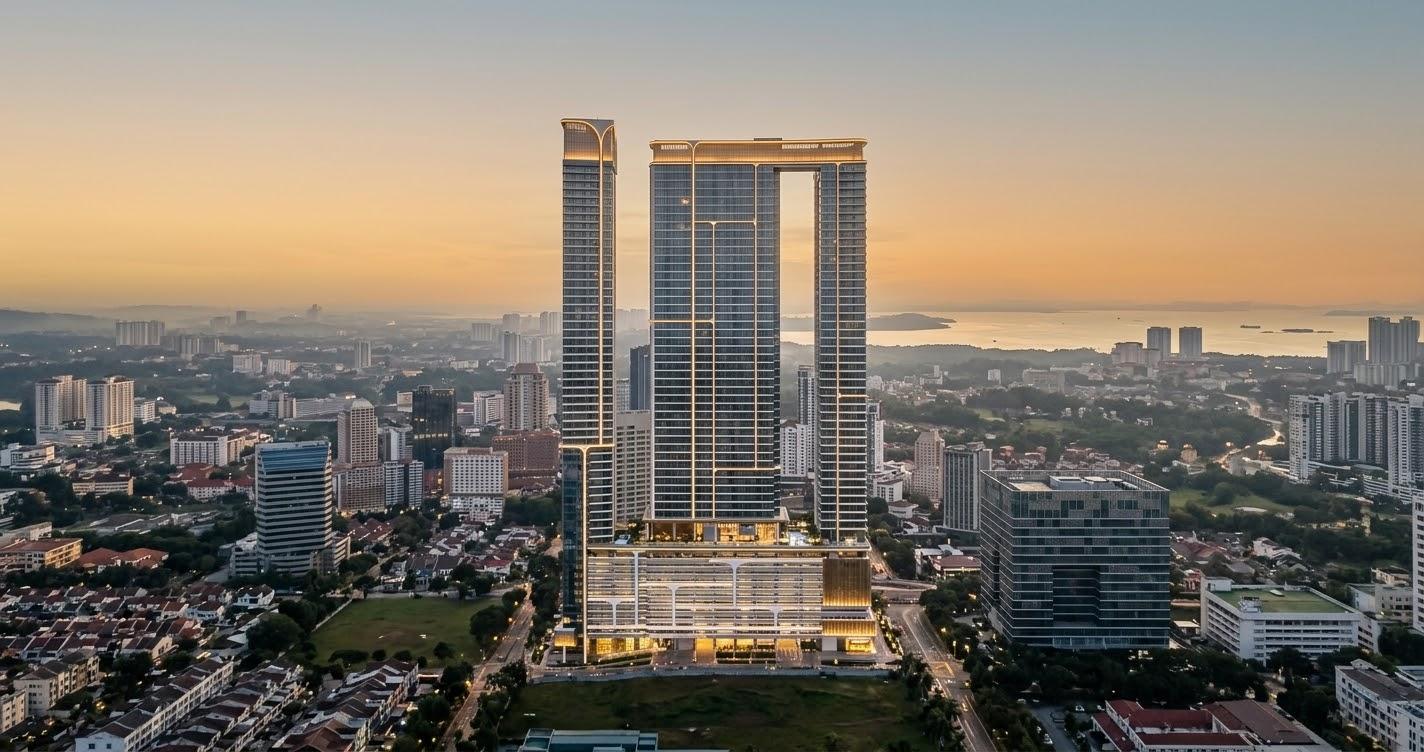
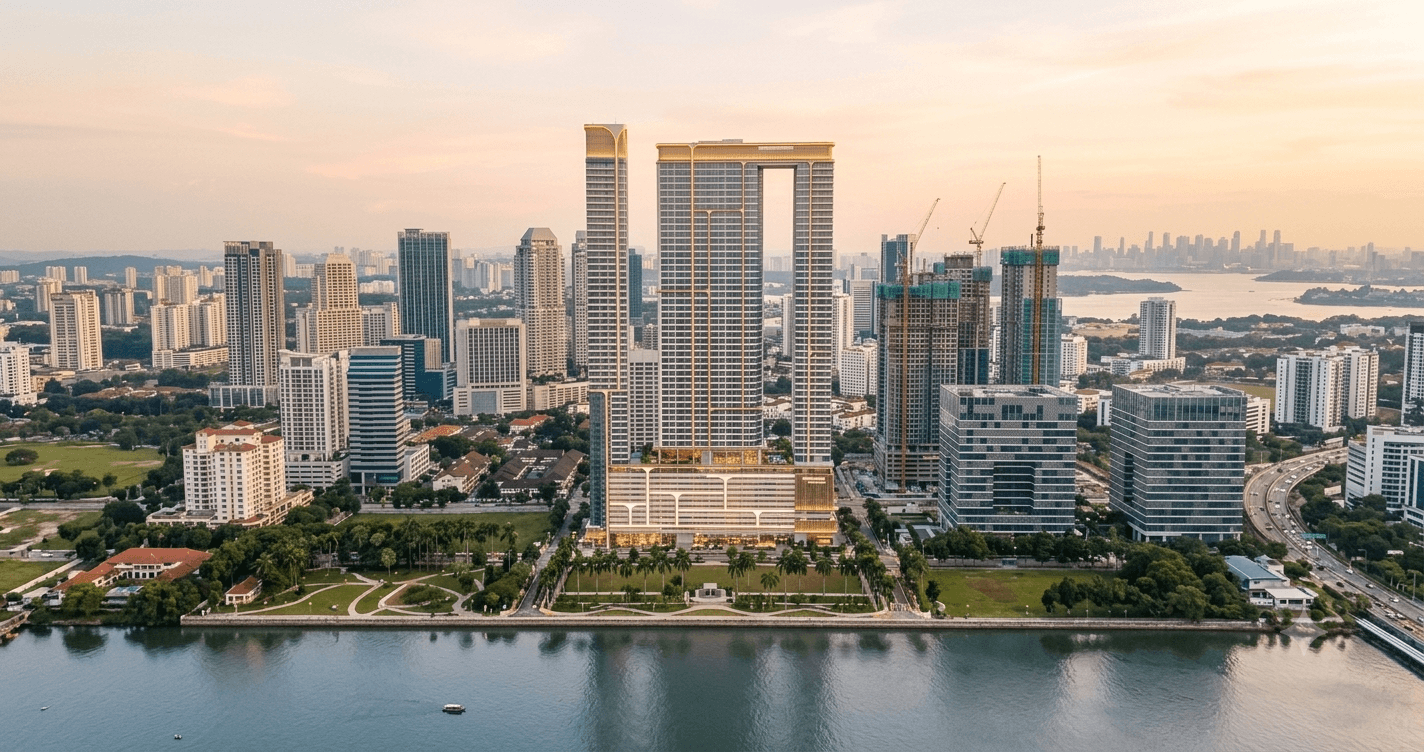
CTC SkyOne's completion is filed for November 2030. Sign a sale and purchase agreement this year and you are committing to a payment runway that runs for years, not a single transfer - 10% up front, then stage payments rising as the three towers go up, and the bulk of your loan servicing arriving as completion nears.
Two things shape the exact schedule for your unit. First, the figures above are the standard shares; your own agreement sets out the precise percentage and trigger for each stage. Second, SkyOne is a serviced apartment - freehold tenure on commercial title, the Johor norm for this kind of city-centre home. Tenure (freehold) and title category (commercial) are separate things, and the title category affects some costs and scheme eligibility rather than the payment timetable itself. We walk through exactly what commercial title changes in residential vs commercial title in Johor.
The entry Type A dual-key unit is filed from about RM628,000, 300 m from the Bukit Chagar RTS station. For the one-off costs on top of the price - stamp duty, legal fees, the deposit - see the true cost of buying a JB property and the upfront cash a Malaysian buyer needs.
The schedule turns one intimidating number into a sequence you can plan around: a 10% outlay now, modest instalments through the build, and the weight arriving closer to 2030. Put your unit price and loan into the installment calculator and see what your first few years actually cost you month to month before you commit.
Discover more insights and updates about our premium development
A leasehold does not lapse quietly. As the years run down, lending dries up and the owner is stuck. What lease expiry costs a JB investor, plainly.
Published on November 15, 2026 · 5 min read

Buying or selling leasehold in Johor? A restricted title needs State Authority consent to change hands — an extra step on the state's clock, not yours.
Published on November 13, 2026 · 6 min read
What does a freehold JB condo yield if you buy it in cash? A worked example on a RM628k entry unit — net rent, holding costs, and 0% RPGT after five years.
Published on November 9, 2026 · 8 min read