When a 99-Year Lease Runs Out: The Risk You Buy Into
Published on November 15, 2026·5 min read
A leasehold does not lapse quietly. As the years run down, lending dries up and the owner is stuck. What lease expiry costs a JB investor, plainly.

A leasehold does not lapse quietly. As the years run down, lending dries up and the owner is stuck. What lease expiry costs a JB investor, plainly.
A leasehold title (pajakan negeri) grants the land for a fixed term — commonly 99 years — after which it reverts to the state unless it is extended. The mistake an investor makes is treating that as a far-off, year-ninety problem. It is not. The value starts eroding years earlier, because the market prices the years left, not the headline term. Buy a 99-year lease with sixty years already gone and you are buying a thirty-nine-year asset — and pricing it against what a bank will lend over thirty-nine years, not ninety-nine.
Tenure is the one risk most JB investment content skips, and it works as a loop, not a single line item:
Unsellable and unfinanceable at once, with the only exit needing cash that cannot be borrowed. The loop does not wait for the lease to end; it tightens year by year as the term runs down. The transaction mechanics behind steps two and three — the consent and financing steps on a leasehold transfer — are a separate read.
Normally you borrow against the property. Here the property's defect — the short lease — is exactly why no one will lend against it. So the renewal premium comes out of your own pocket, in cash, at the moment the asset is least able to help you raise it. And because the premium is set against land value, it tends to climb over the years rather than fall, so waiting makes the bill larger, not smaller.
Extending a lease is neither automatic nor a right you hold. It is an application under Section 90A of the National Land Code (Act 828), and the State Authority grants or refuses it at its discretion. Malaysia's Federal Court settled the point in a Johor case — YKK (Malaysia) Sdn Bhd v Pengarah Tanah dan Galian Johor — holding that a lease clause promising renewal could not bind the state, because the law leaves the decision to the State Authority. A buyer counting on "it will just be renewed" is counting on a discretion, not a guarantee.
Renewal terms are set state by state, so the honest answer for any specific title is: ask. Where a cheaper route exists, it can come with conditions worth reading closely — some can limit whether the renewed interest passes to your heirs, or whether it can be sold or transferred at all. A low headline figure that quietly strips inheritance or resale is not a saving; it is a different product. Confirm with the Johor land office (PTG Johor) what applies to the title in front of you, and what any cheaper option would cost you in rights — rather than assuming another state's scheme carries across.
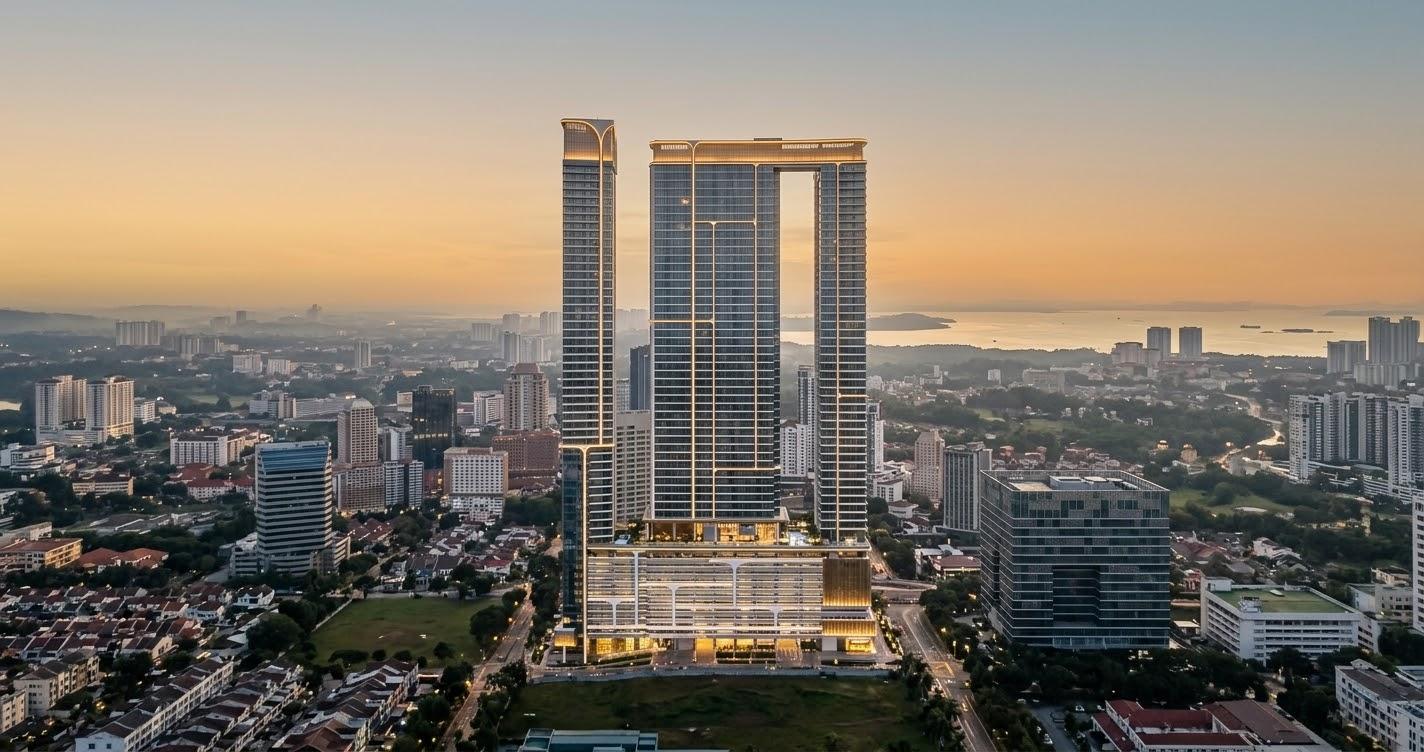
Put two units side by side and let one be leasehold: the lease is not a detail to settle later, it is part of the price you pay today. A freehold unit (Pegangan Kekal) has no term counting down, no renewal premium waiting at the end of a long hold, and a bank that is not pricing your loan against a shrinking number. SkyOne is freehold. That is tenure — the title category is a separate question — but on tenure alone, everything above is a loop a freehold owner never steps into. If you are weighing the two as an investment, buying at a Malaysian's price and holding for the long run, price each one over your full hold: run both through the installment calculator and compare what you actually keep.
Discover more insights and updates about our premium development
A leasehold does not lapse quietly. As the years run down, lending dries up and the owner is stuck. What lease expiry costs a JB investor, plainly.
Published on November 15, 2026 · 5 min read

Buying or selling leasehold in Johor? A restricted title needs State Authority consent to change hands — an extra step on the state's clock, not yours.
Published on November 13, 2026 · 6 min read
What does a freehold JB condo yield if you buy it in cash? A worked example on a RM628k entry unit — net rent, holding costs, and 0% RPGT after five years.
Published on November 9, 2026 · 8 min read