Buying & Selling Leasehold in Johor: The Consent Step
Published on November 13, 2026·6 min read
Buying or selling leasehold in Johor? A restricted title needs State Authority consent to change hands — an extra step on the state's clock, not yours.

Buying or selling leasehold in Johor? A restricted title needs State Authority consent to change hands — an extra step on the state's clock, not yours.

On a straightforward transaction, you sign, you pay, the title changes hands. A restricted Johor title adds a step that is not the buyer's to control. Before the transfer can register, the owner needs written consent from the State Authority. Pejabat Tanah dan Galian Johor puts it plainly: restricted land cannot be "dijual, dipajak, dicagar, digadai atau dipindahmilik dengan apa cara sekalipun" — sold, leased, charged or transferred in any way — without that consent (PTG Johor, transfer & restriction). The application goes in, and the land office decides on its own schedule. Your lawyer can prepare it; they cannot speed it.
Here is the point most guides get wrong. The thing that forces the consent step is the restriction in interest endorsed on the title — not the fact that the title is leasehold. The two travel together so often that people treat them as one, but they are separate endorsements. Most leasehold titles carry a restriction requiring consent; some do not. And a freehold title can carry the same restriction (on this common misreading). So the honest instruction is: read the restriction on the specific title. "Leasehold" tells you to go and check; it does not settle the answer.
A lease is a wasting asset to a lender. The bank is securing a loan against a title that shrinks every year, so its appetite tracks the remaining term — a long lease finances much like a freehold, and a short one gets tighter margins, shorter tenures, or a flat no. The threshold where a given bank pulls back is set by that bank, not by the state, so it varies; the direction does not. On the charge itself, Johor grants blanket consent to register a mortgage in favour of banks, finance companies and cooperatives, so that step at least does not wait on a fresh application (PTG Johor Circular 10/1986, summarised here).
Put those facts in sequence and they stop being separate risks and become a trap:
Each step shuts the exit the one before it opened. You end up holding something real and nearly unusable: an asset you own and cannot turn back into money. The renewal premium is not a fixed sticker either — it scales with land value, so the longer the problem waits, the more it costs to fix.
If you buy a restricted title, you also buy its exit terms. When you sell, your buyer's transfer needs State Authority consent in turn, and your buyer needs a bank willing to lend on whatever lease is left by then. If there is still a charge on the title, it has to be discharged before the transfer can register, which pulls your existing bank onto the critical path too (on the seller's consent step). None of this makes a leasehold unit unsellable — plenty change hands. It makes the sale slower and more conditional than a title that carries no restriction, and that shows up in both price and time-on-market.
The consent step runs on the state's clock in two places. First, the approval itself takes as long as the land office takes. Second, once you have the approval letter, the window to use it is fixed: registration must be completed within 6 months of the approval date — "Urusan pendaftaran perlu didaftarkan dalam tempoh 6 bulan dari tarikh surat kelulusan". The approval can be renewed after that, but not beyond one year, and the renewal carries a fee; after a year, there is no extension and you start the application again (PTG Johor). A financing delay, a slow discharge, a buyer who needs an extra month — any of them can eat that window, and missing it means re-applying from the start.
Freehold tenure removes the half of this that comes from the lease running down: there is no remaining term for a bank to price against, no premium to pay in cash, no renewal clock. CTC Development's SkyOne at Bukit Chagar is freehold (pegangan kekal) — so the decaying-lease loop above does not apply to it. What freehold does not do by itself is remove the consent step: whether any specific unit needs State Authority consent to transfer still depends on the restriction endorsed on its own title, which is a separate axis from tenure — and, like title class, a thing to read rather than assume. The Johor title guide sets out how tenure and title differ.
Before you commit to any Johor unit, read two lines on the title: the tenure, and whether there is a restriction in interest. Then weigh the exit, not just the entry. For the full purchase sequence and the cash you need upfront, see the Malaysian purchase process and the true upfront cost.
When you compare a leasehold unit against a freehold one, run both through the installment calculator and bring the figures to a WhatsApp enquiry.
Discover more insights and updates about our premium development
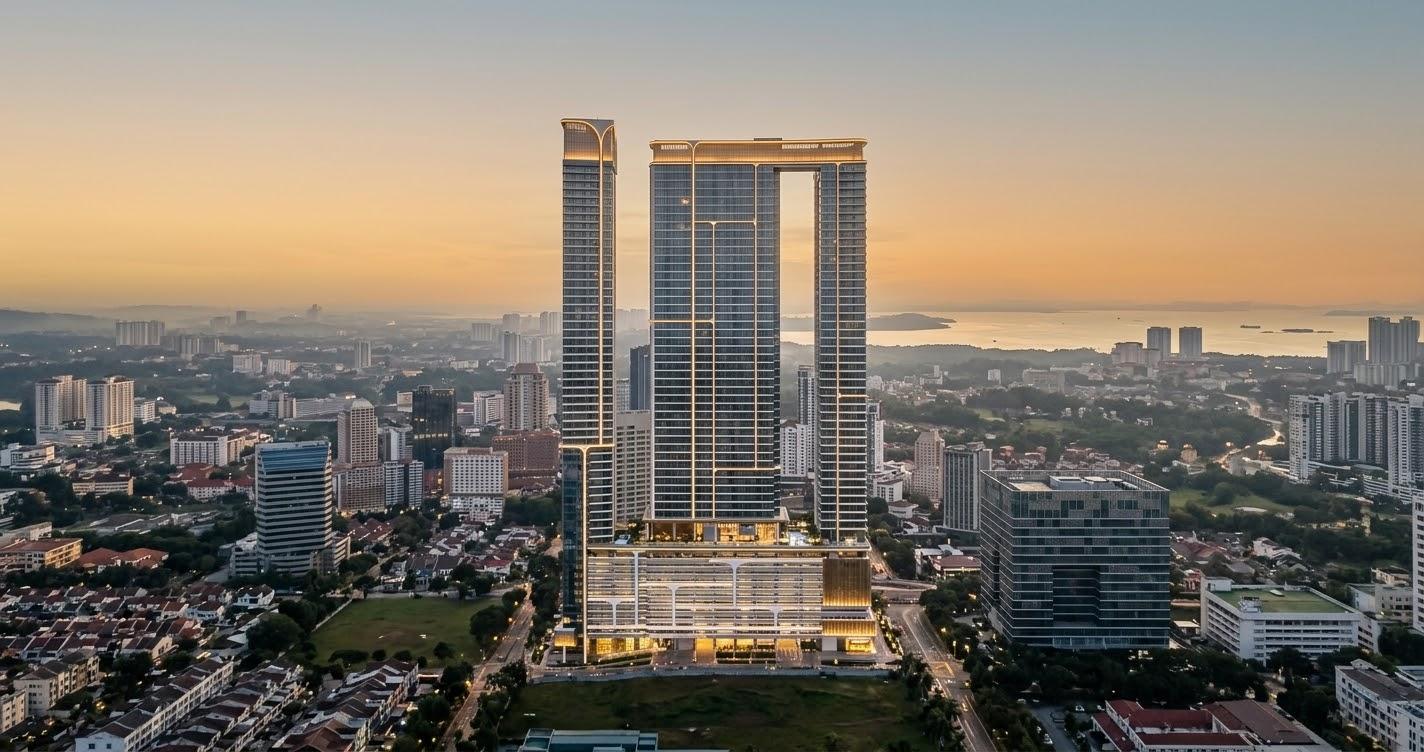
A leasehold does not lapse quietly. As the years run down, lending dries up and the owner is stuck. What lease expiry costs a JB investor, plainly.
Published on November 15, 2026 · 5 min read
Buying or selling leasehold in Johor? A restricted title needs State Authority consent to change hands — an extra step on the state's clock, not yours.
Published on November 13, 2026 · 6 min read
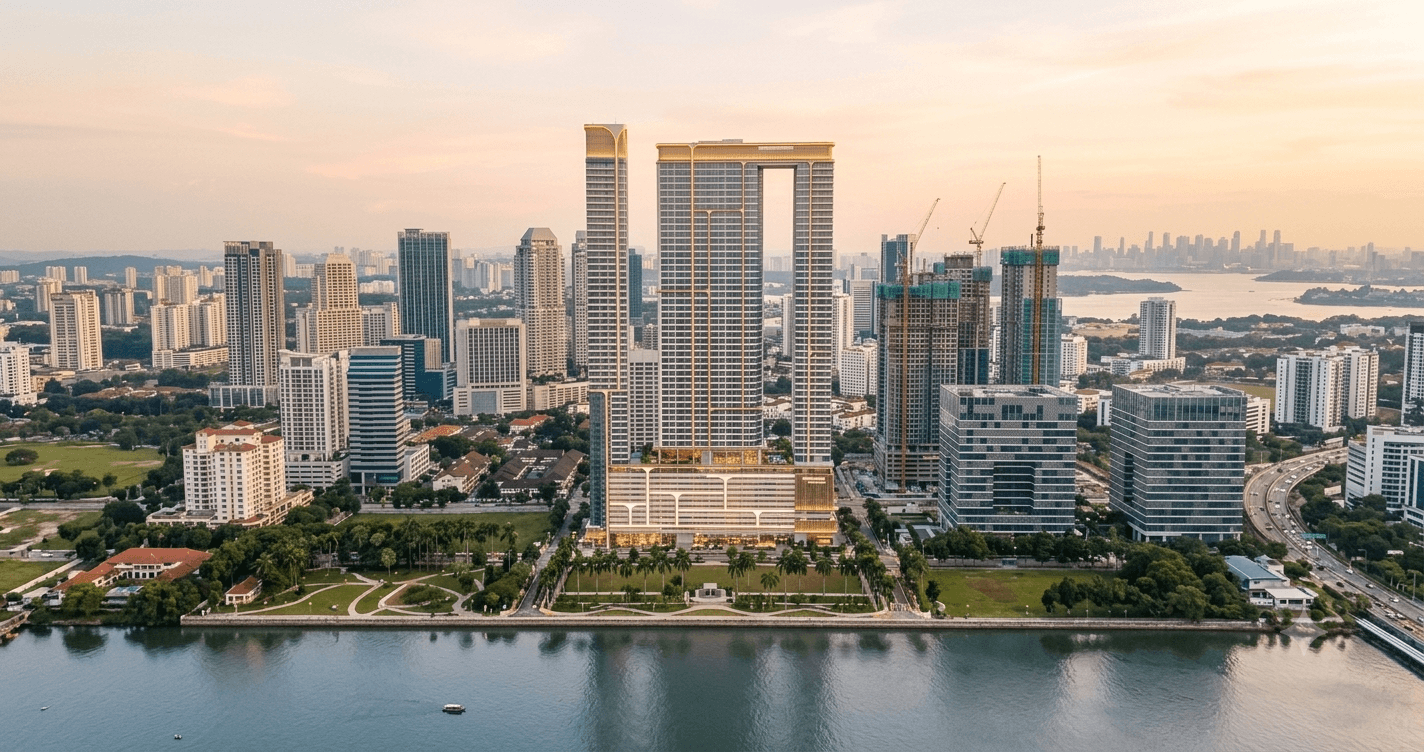
What does a freehold JB condo yield if you buy it in cash? A worked example on a RM628k entry unit — net rent, holding costs, and 0% RPGT after five years.
Published on November 9, 2026 · 8 min read