Summary
- Transit stations do lift nearby values — but the premium is usually smaller than the headlines. Peer-reviewed Malaysian research put it at about 9.5% for homes within 400 m of an operational MRT station, not the 30% sometimes claimed.
- The RTS Link is the anchor. The Bukit Chagar terminus was roughly 90% built by April 2026 and is targeted to open in January 2027, with a co-located CIQ and a direct shuttle to Woodlands North.
- Two catalysts, not one. The RTS plus the Johor–Singapore Special Economic Zone (agreement signed January 2025) are re-rating the whole corridor.
- Supply is real. Johor still carries one of Malaysia's largest serviced-apartment overhangs, so proximity and quality — not the 'JB' label — decide outcomes.
- Closest and freehold capture the most. Walking-distance, freehold units like SkyOne (300 m from the station) sit where the premium concentrates.
- Estimate your monthly repayment →
Figures below were checked against the cited sources in June 2026. Property data and timelines move — treat any forecast as directional, and confirm current figures before you commit.
Why a station creates a price premium
The logic is simple: a rail station turns time into value. When a home sits within walking distance of fast, predictable transport, it widens the pool of people who will pay to live or invest there, and the market prices that convenience in. The effect is real and measurable — but it is routinely exaggerated in marketing.
The most credible Malaysian evidence comes from peer-reviewed work on the Sungai Buloh–Kajang (SBK) MRT line in Greater Kuala Lumpur. Using a hedonic pricing model on transactions from 2013–2019, researchers found that a condominium or serviced residence within 0.4 km of a station, sold after the line became operational, earned a premium of about 9.5% over comparable homes further away (Journal of Asian Geography, accessed June 2026). Two lessons follow. First, the premium is meaningful but moderate — think high single digits to the low double digits, not 30%. Second, it strengthens as a line moves from planned to operational: anticipation prices in some of the gain early, and completion confirms the rest.
What is actually being built at Bukit Chagar
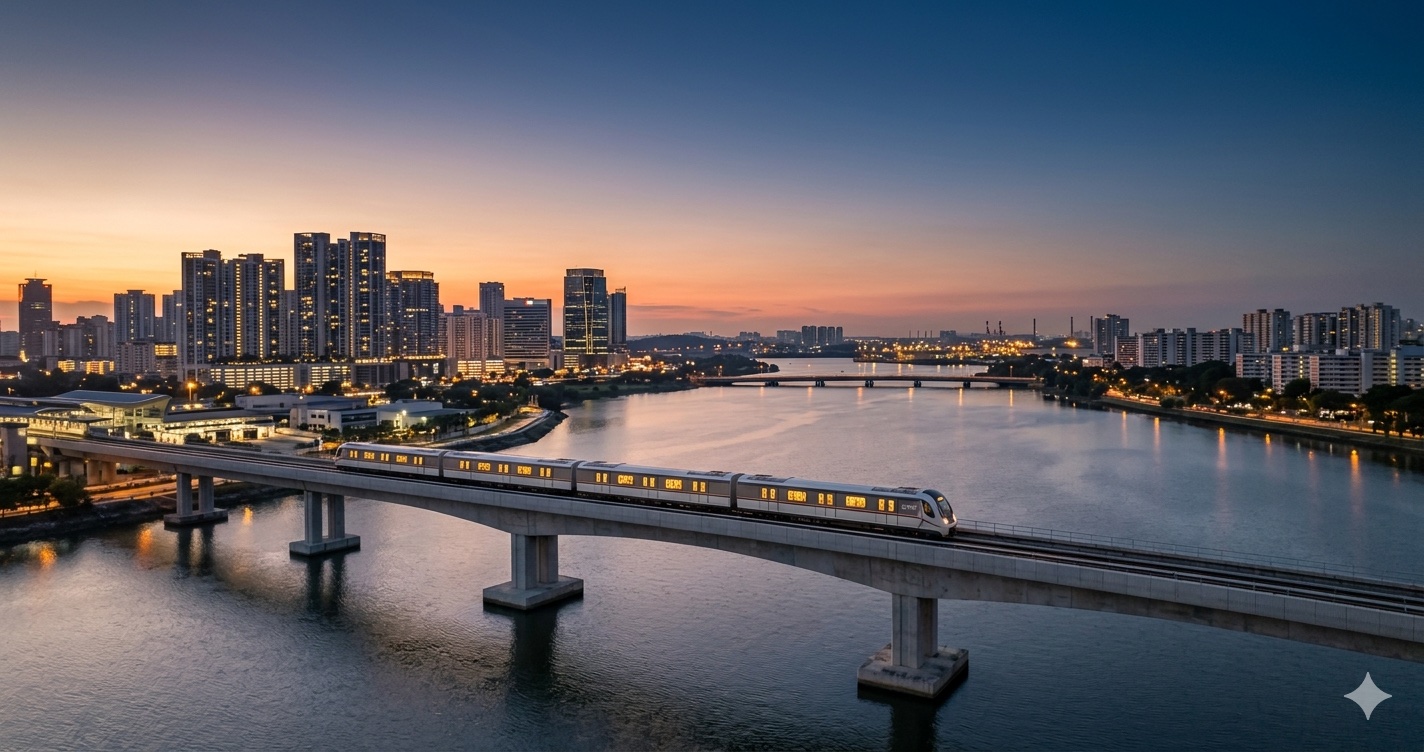
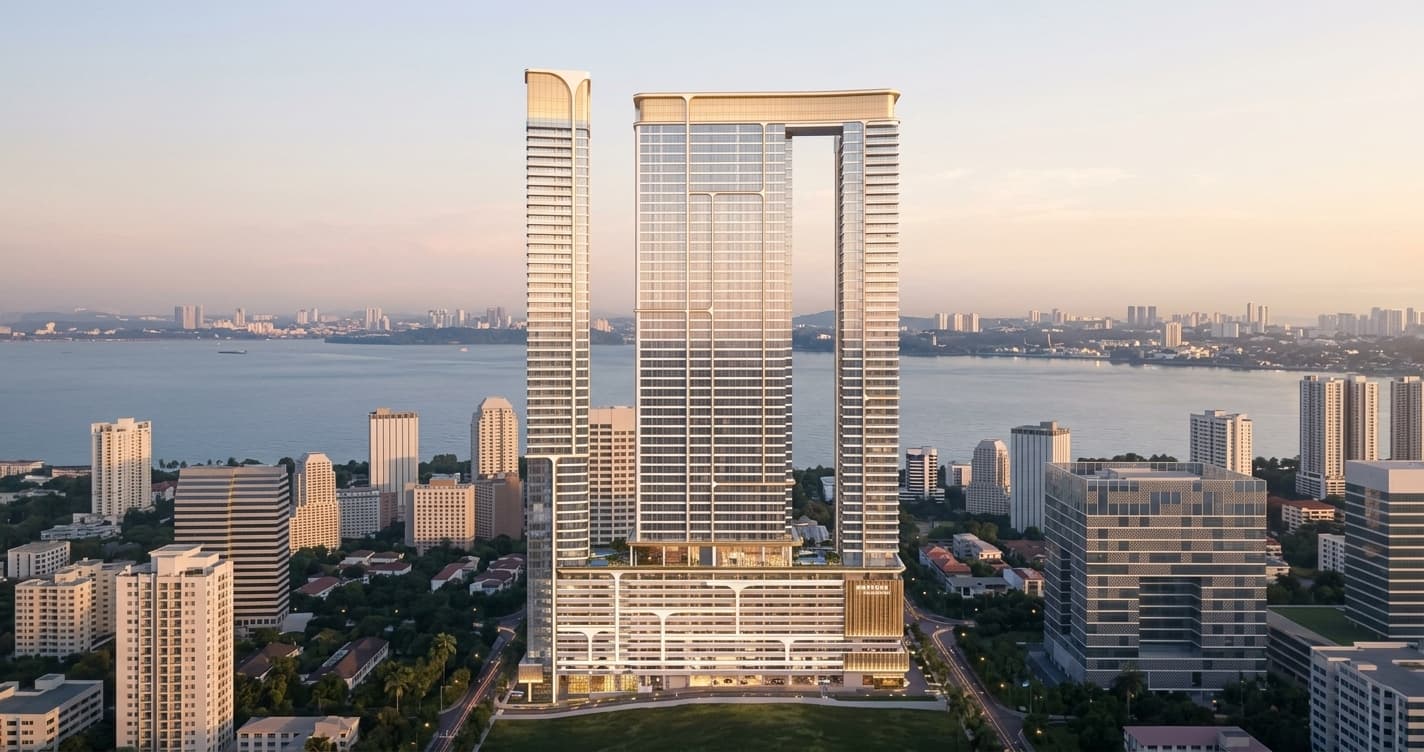
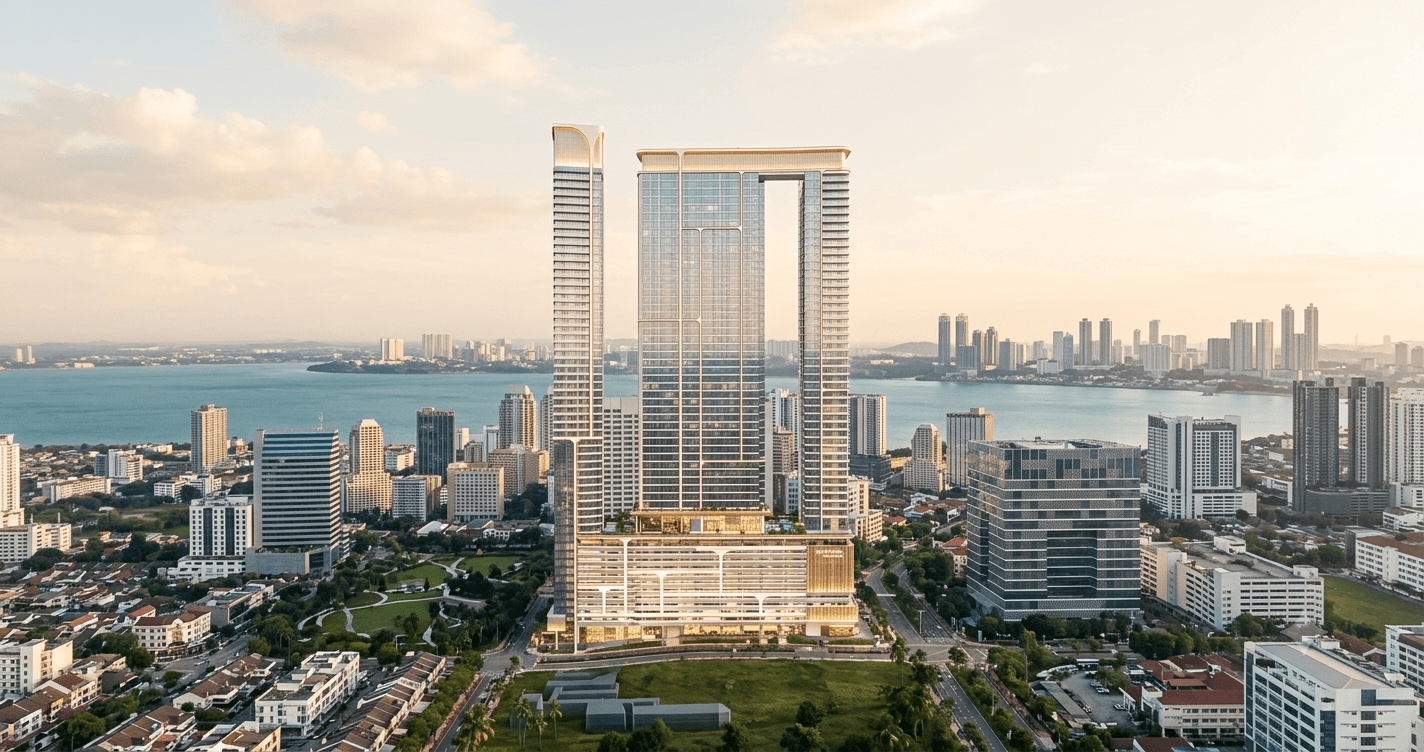
Bukit Chagar is not a speculative 'someday' node — it is a near-complete piece of infrastructure. The RTS Link is a 4 km cross-strait shuttle connecting Bukit Chagar in JB with Woodlands North in Singapore, with the Malaysian and Singaporean immigration halls co-located in one building so travellers clear both countries once (Singapore LTA, accessed June 2026). By April 2026 the project was reported to be on track for a January 2027 passenger launch, with construction around 90% complete (Malay Mail, 3 April 2026). The station is being built as a transit-oriented development, with the CIQ, a transport hub and residential towers clustered around it — which is precisely why the immediate catchment matters. SkyOne sits about 300 m walk, from the station entrance.
What has happened to nearby prices so far
Here honesty matters more than a big number. There is, as yet, no official, station-level price index for Bukit Chagar — NAPIC reports at district and state level, not by transit node. The figures that circulate online — for example, claims that homes within walking distance of the terminus have risen 'around 18% over two years' — come from property-agency market reviews (such as Raine & Horne's 2026 Johor review, accessed June 2026), not from audited government data. Treat them as directional commentary, not fact. What can be said with more confidence is the pattern: central-JB, RTS-adjacent stock has been trading at a premium to the wider Johor market, consistent with the academic precedent above, while the gains are concentrated in the closest, best-located projects rather than spread evenly across the city.
The supply picture: an honest look at oversupply
Any credible read on JB prices has to confront supply. Johor carries one of Malaysia's heaviest property overhangs. NAPIC's Q3 2025 data showed Johor with the country's second-largest residential overhang — roughly 3,293 unsold completed homes plus close to 9,000 unsold serviced apartments — much of it the high-rise stock marketed to foreign buyers in the 2013–2019 boom (NAPIC Q3 2025, via Property Genie, accessed June 2026). The serviced-apartment segment carries the highest oversupply risk of all.
The takeaway is not 'avoid JB' — it is that the 'JB' label guarantees nothing. In an oversupplied market, the differentiators are genuine proximity to demand, scarcity of land, and tenure. A walkable, freehold unit at a transit node behaves very differently from a generic tower fifteen minutes' drive from anything.
The forward view: two catalysts, and the honest risks
Two distinct forces sit behind the Bukit Chagar thesis:
- The RTS Link (opening targeted January 2027). Once operational, it converts a notoriously unpredictable Causeway crossing into a turn-up-and-go ride to Singapore — the single biggest driver of cross-border rental and resale demand around the station.
- The Johor–Singapore Special Economic Zone (JS-SEZ). The two governments signed the agreement on 6 January 2025, spanning nine flagship zones across southern Johor, with incentives including a 5% corporate tax rate for up to 15 years for qualifying investments and a target of 20,000 jobs in the first five years (Singapore EDB, accessed June 2026). More jobs and businesses in the corridor mean more tenants and buyers over time.
The honest risks: timelines can slip, the headline overhang is real, and currency (SGD/MYR) cuts both ways. A sober investor treats the RTS and JS-SEZ as durable structural tailwinds — not a guarantee of any specific yearly return.
Why the closest, freehold units capture the most premium
If the premium is real but moderate, and supply is plentiful, the conclusion writes itself: position beats postcode. The academic evidence shows the uplift concentrating within a few hundred metres of the station and fading with distance, so the units most likely to capture and hold the premium are the ones you can actually walk from. SkyOne is among the closest residences to Bukit Chagar station, it is freehold — rare for RTS-adjacent supply, and a meaningful advantage on resale — and its dual- and triple-key layouts let owners live in one part and rent the other to the cross-border tenant pool the RTS creates.
One more practical point on holding period: because foreigners pay 30% RPGT on gains within the first five years, falling to 10% thereafter, the maths rewards a medium-to-long hold — exactly the horizon over which the RTS and JS-SEZ are expected to play out.
The bottom line
The RTS is genuinely re-rating Bukit Chagar — but the smart version of that statement is disciplined, not breathless. Expect a meaningful, single-to-low-double-digit proximity premium that rewards the closest, freehold, well-let units over a multi-year hold, against a backdrop of real city-wide oversupply that punishes generic stock. If you want to own the proximity rather than the hype, see which SkyOne units sit 300 m from the station, then estimate your monthly repayment and speak to us for a unit-specific view.