Will the RTS Lift JB Property Prices? An Honest Outlook
Published on July 22, 2026·6 min read
Will the RTS lift Johor Bahru property prices? The transit-premium evidence, Johor's oversupply risk, and why a home 300 m from Bukit Chagar wins.

Will the RTS lift Johor Bahru property prices? The transit-premium evidence, Johor's oversupply risk, and why a home 300 m from Bukit Chagar wins.
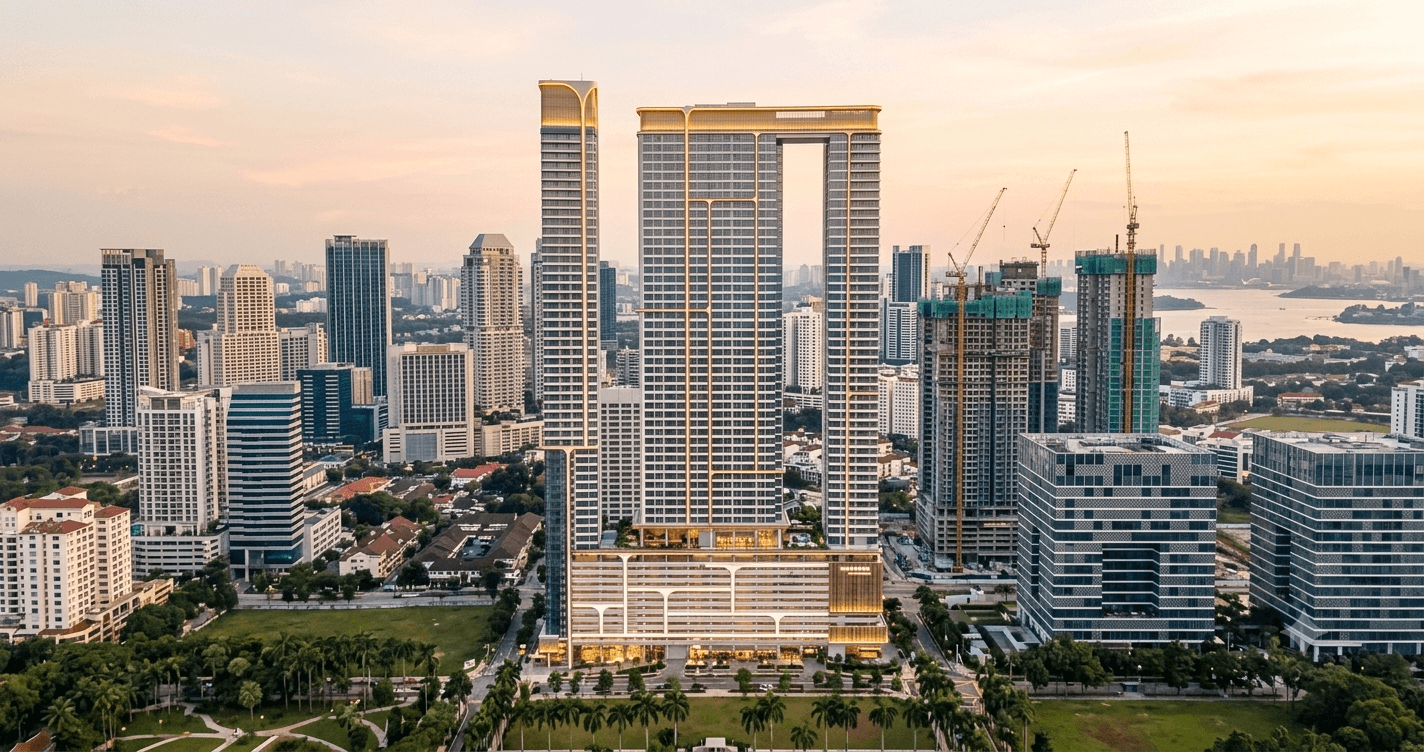
Every new rail line arrives with the same promise: prices will jump. Sometimes they do. Sometimes the towers go up faster than the buyers, and the promise sits half-empty. So will the RTS Link push Johor Bahru property prices up — and if so, where? Here is the evidence, the risk, and an honest forward view.
Transit access has a measurable price. When people can walk to a station and skip the car, the homes in that short radius command more than identical homes a bus ride away. The size of the lift is the part that gets oversold.
The clearest local read comes from Kuala Lumpur's Sungai Buloh–Kajang (SBK) MRT line. A hedonic study of 594 condominium transactions found homes within 400 m of a station sold at roughly a 9.5% premium once the line was running (Journal of Asian Geography, 2022). Studies of KL's LRT network put the proximity premium at up to about 8%. The pattern repeats across transit cities: real, durable, and in the high single digits to low teens — not the doubling that headlines imply.
Two things follow. First, the premium rewards walking distance, not 'near the line' — it decays fast beyond a few hundred metres. Second, it compounds with the home's other strengths (tenure, price, build quality). The station is a multiplier, not a rescue.
Central JB and the RTS catchment have been among Johor's stronger sub-markets since the link broke ground, helped by the RTS and the Johor–Singapore Special Economic Zone. Market commentary through 2025 reported firm gains for prime, RTS-adjacent stock; one widely cited figure put high-end prices around Bukit Chagar up about 20% in the first half of 2025 (IQI, Johor market outlook). Weigh that as a market estimate, not a transaction-verified index — catchment-specific, deal-level figures are not consistently published, and a single headline can hide a wide spread between projects.
What is documented and dated is the direction of travel: a station terminus, a freehold-heavy city core, and cross-border demand — set against a real supply overhang (below). The drivers are strong, the averages are noisy, and the address does the heavy lifting.
Here is the counterweight the sales decks skip. Johor carries Malaysia's heaviest serviced-apartment overhang: NAPIC recorded about 9,018 unsold completed serviced apartments in the state in Q3 2025, out of roughly 17,892 nationwide (IQI, on NAPIC Q3 2025, accessed July 2026). Much of it is the hangover from the Iskandar building boom, and most unsold units sit in the RM500,000–RM1 million band.
Oversupply does not sink a well-chosen unit, but it does sort winners from losers. In a market with this much competing stock, the units that hold and grow value are the ones with something the overhang cannot copy: a terminus 300 m away, freehold tenure, and an entry price a local buyer can actually finance.
The case for appreciation:
The risks, stated plainly:
If the premium lives in the last few hundred metres, then distance to the platform is the single lever you control. SkyOne sits a measured 300 m from Bukit Chagar station: you leave home, cross one block, and you are on the RTS — no car, no parking bay. That is the radius the studies reward, and it is what a generic unit two kilometres away cannot buy back later.
Pair proximity with what the overhang lacks: a genuine walk to the station, freehold tenure, and dual-key layouts you can live in and rent at the same time. See how the catchment compares in the condos near the RTS guide.
A paper gain is not a return until you sell without handing it back in tax. For Malaysian citizens, Real Property Gains Tax steps down with the hold:
The maths favours patience. A hold into the sixth year lines up with the RTS opening and the SEZ ramp, and it lets you exit with the whole gain intact. If you are buying for appreciation, plan the hold before you plan the sale. See the full purchase-and-hold costs in the true cost of buying JB property as a Malaysian.
The evidence points one way: the lift is real but modest, oversupply is real too, and the address decides which side you land on. The closest, freehold, locally-priced units carry the least competition and the most to gain from the RTS. Run your numbers on the installment calculator to see the monthly cost of a unit 300 m from Bukit Chagar, then view the SkyOne layouts and book a viewing.
Discover more insights and updates about our premium development
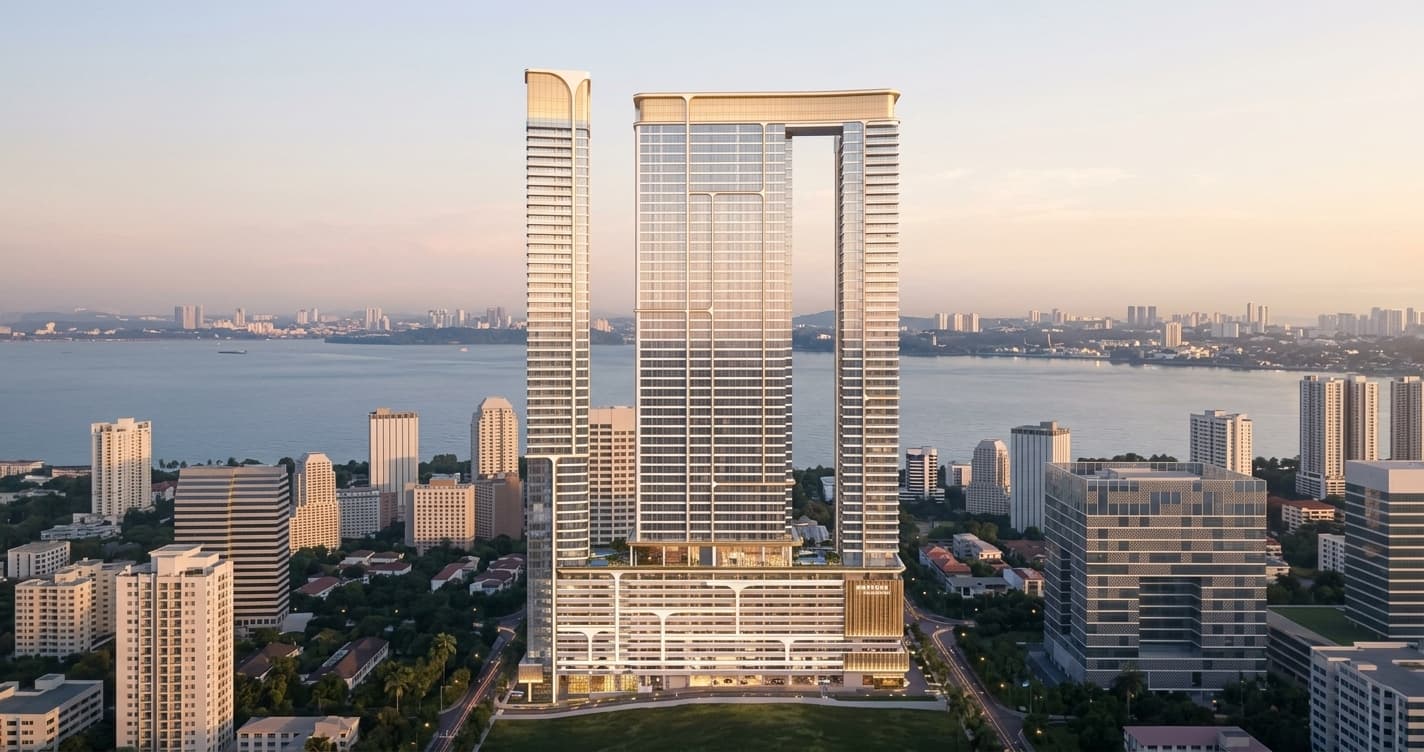
Every CTC SkyOne floor plan, from the 463 sq ft Type A to the 1,270 sq ft Type G: areas, beds, and exactly how each dual-key layout splits. From ~RM628,000.
Published on September 9, 2026 · 7 min read
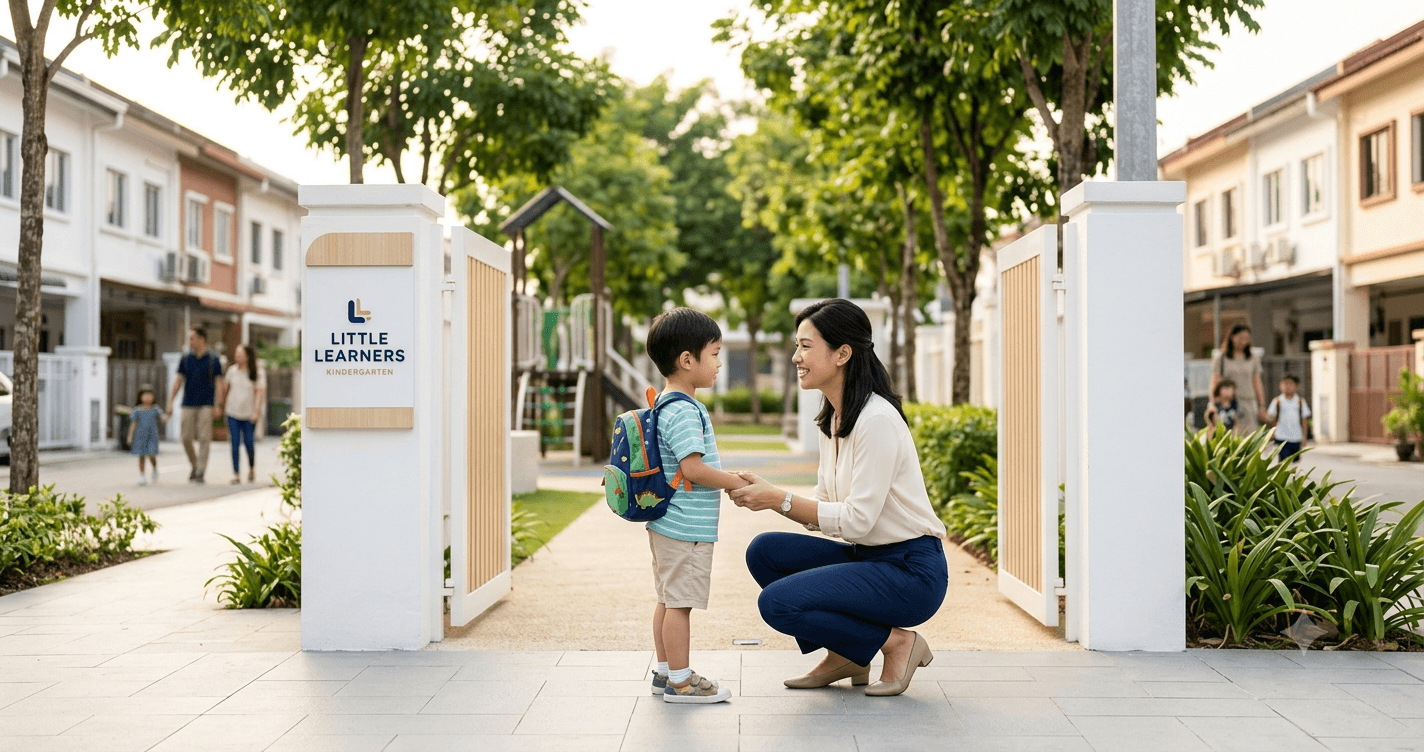
Five High-Performing (SBT) schools, Foon Yew and early-opening preschools all sit within 4 km of Bukit Chagar — close enough to drop the kids and still make the crossing.
Published on September 7, 2026 · 6 min read
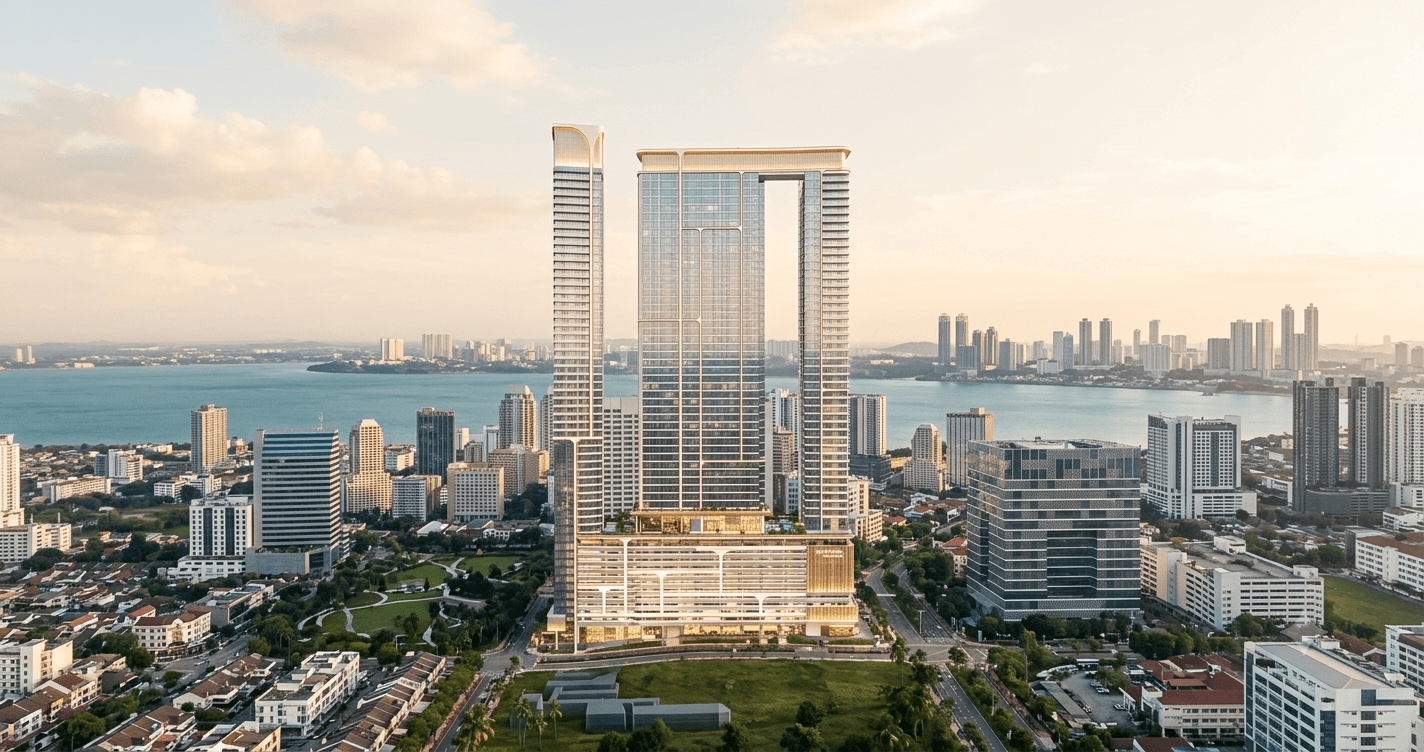
Work in Singapore? Earn SGD, borrow ringgit and buy a JB home as a local: no RM1m floor, no state consent, tiered stamp duty. The cross-border maths.
Published on August 21, 2026 · 7 min read