The JS-SEZ Explained: A JB Property Investor's Read
Published on July 15, 2026·5 min read
The Johor-Singapore Special Economic Zone, signed Jan 2025, targets 20,000 jobs and 100 projects. What the JS-SEZ means for a Malaysian buying JB property.

The Johor-Singapore Special Economic Zone, signed Jan 2025, targets 20,000 jobs and 100 projects. What the JS-SEZ means for a Malaysian buying JB property.
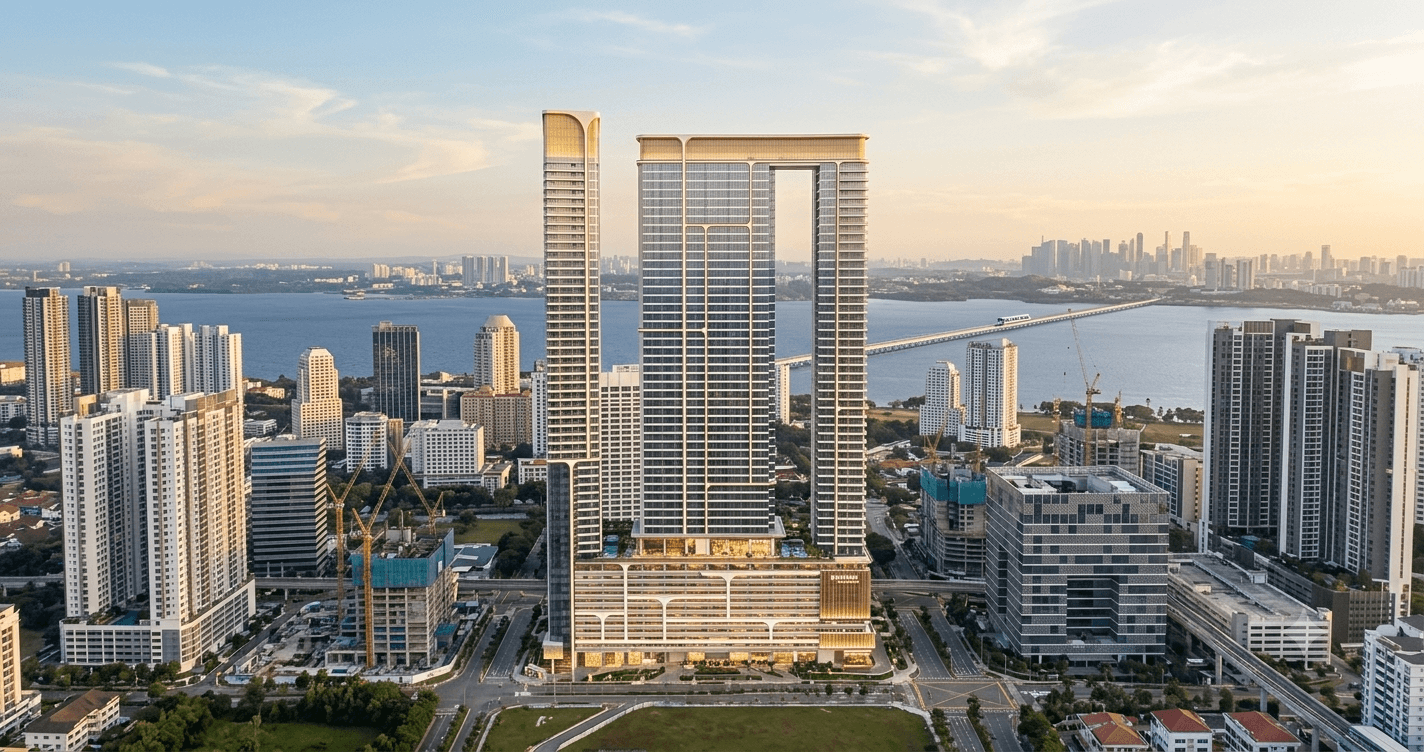
On 7 January 2025, Malaysia and Singapore exchanged the agreement that created the Johor-Singapore Special Economic Zone at the 11th Leaders' Retreat. It is not a single business park. It covers more than 3,500 sq km, over four times the size of Singapore, stretching across Iskandar Malaysia and Pengerang, and it is split into nine flagship zones spanning eleven sectors, from manufacturing and logistics to the digital economy and healthcare. The two governments run it jointly, and Malaysia set up a one-stop office, the Invest Malaysia Facilitation Centre – Johor (IMFC-J), to move investors through approvals faster. (Singapore EDB, accessed July 2026.)
The numbers the two governments committed to are specific:
As of July 2026, the government said it expects to beat the 20,000-jobs target inside five years, possibly within three (The Star, July 2026). By March 2026 the IMFC-J had logged around 1,000 investor enquiries and was working a pipeline it valued near RM73 billion.
Strip out the diplomacy and here is what it means for daily life. More high-value employers in Johor means local jobs that pay closer to Singapore-adjacent wages, the kind that let a Johorean stop crossing the Causeway if they choose to. More companies mean more demand for offices, homes and services around the city centre. The 15% knowledge-worker tax rate is built to keep talent, and their spending, on the Johor side of the strait.
Property follows jobs and people. When 20,000 skilled workers and 100 companies are the stated target for one corridor, the housing question is simple: where will those people live? The JS-SEZ stacks on top of the JB-Singapore crossing and the RTS Link. A home in central JB now serves SEZ employers, Causeway commuters, and RTS commuters from 2027, all from the same address. That is three buyer-and-tenant pools converging on the same few blocks, which is exactly what re-rates prices near a transit node.
Of the nine flagship zones, Johor Bahru city centre is the first, the administrative and financial heart of the whole SEZ and the JB landing point of the RTS. Bukit Chagar is that centre. The Bukit Chagar RTS station opens on a target of early 2027, reaching Woodlands North in about five minutes across the strait; as of April 2026 the line was reported roughly 90% built (Singapore LTA). SkyOne sits 300 m from that station, inside flagship zone one, on the doorstep of the crossing.
The opportunity is proximity. If the SEZ delivers even a fraction of its targets, the tightest, best-connected stock in flagship zone one is where demand concentrates first. Keep two things honest:
For a Malaysian, the maths also starts lower. Because SkyOne's entry units sit below the RM1 million foreign-buyer floor, you buy them as a local: no state consent, graduated 1–4% stamp duty instead of the foreigner surcharge, and full financing. The corridor's upside, at a local entry cost.
SkyOne is a freehold development by CTC Development in the middle of flagship zone one: three towers, 1,605 units, 300 m from the Bukit Chagar RTS, with completion filed for November 2030, the year the SEZ's first five-year targets come due. Entry units start from around RM628,000. If your read is that the JS-SEZ pulls jobs, people and transit into central JB, this is the address that sits on top of all three. See how the connected-living case stacks up in our JB connectivity guide and the condos-near-the-RTS breakdown, then run your numbers on the installment calculator to see what a SkyOne unit costs you each month.
Discover more insights and updates about our premium development

Is Johor Bahru really cheaper than Singapore? A 2026 side-by-side on rent, food, healthcare and transport for anyone earning in SGD and living in JB.
Published on September 30, 2026 · 5 min read

How much can you borrow for a Johor Bahru home, and can EPF fund the deposit? A Malaysian's 2026 financing playbook — LTV tiers, KWSP withdrawal and DSR.
Published on September 28, 2026 · 8 min read
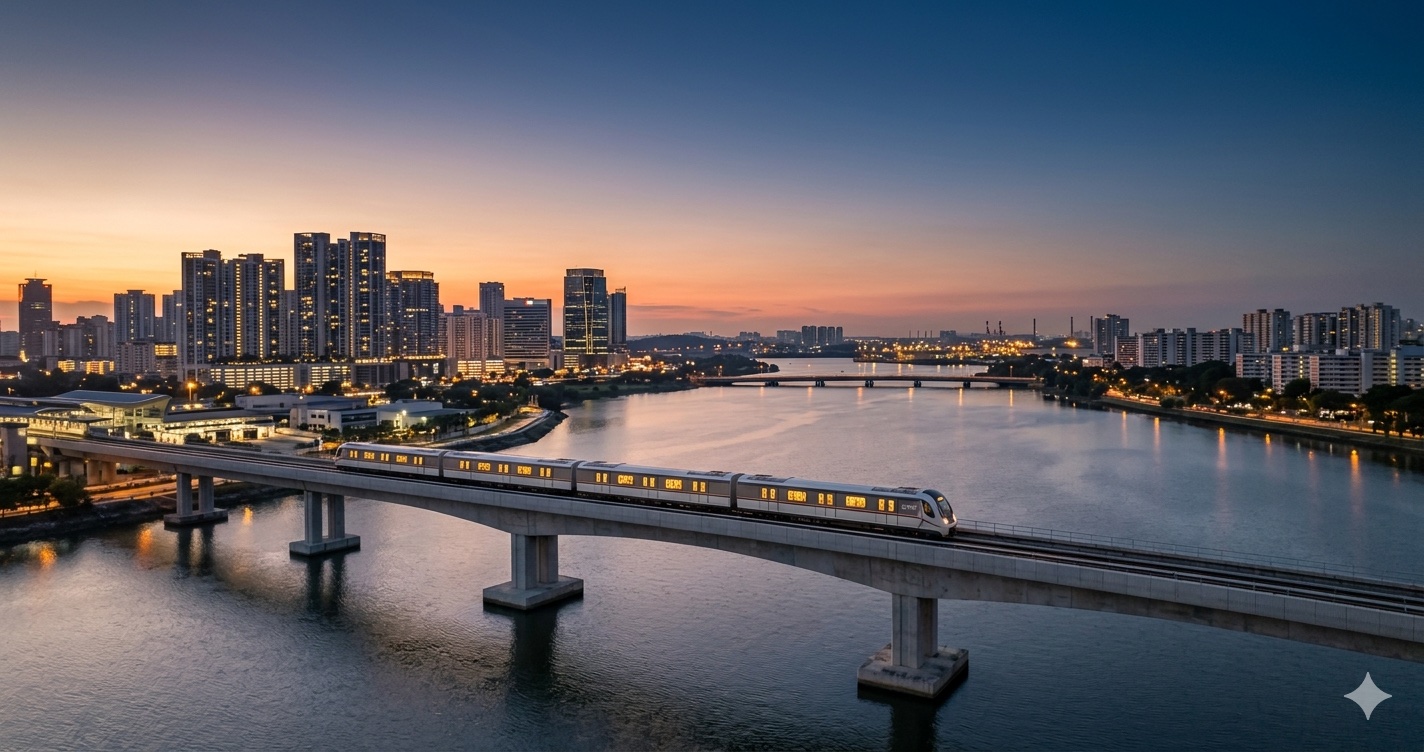
What happens to property near the RTS when Bukit Chagar opens in 2027? An evidence-led look at the proximity premium and which freehold units gain most.
Published on September 25, 2026 · 6 min read