What If Your JB Developer Delivers Late? Your LAD Rights
Published on November 6, 2026·7 min read
What happens if your JB developer delivers late? How liquidated ascertained damages work, what the SPA must say, and why commercial title changes it.

What happens if your JB developer delivers late? How liquidated ascertained damages work, what the SPA must say, and why commercial title changes it.

You sign this year. The marketing says keys in 2030. If 2030 comes and goes with no keys, what you can actually claim rests on one document: the Sale and Purchase Agreement you signed, and the date written into it. A brochure render or an agent's “ready by” line carries no weight — the SPA is the contract, and its delivery clause is the promise a court or tribunal holds the developer to.
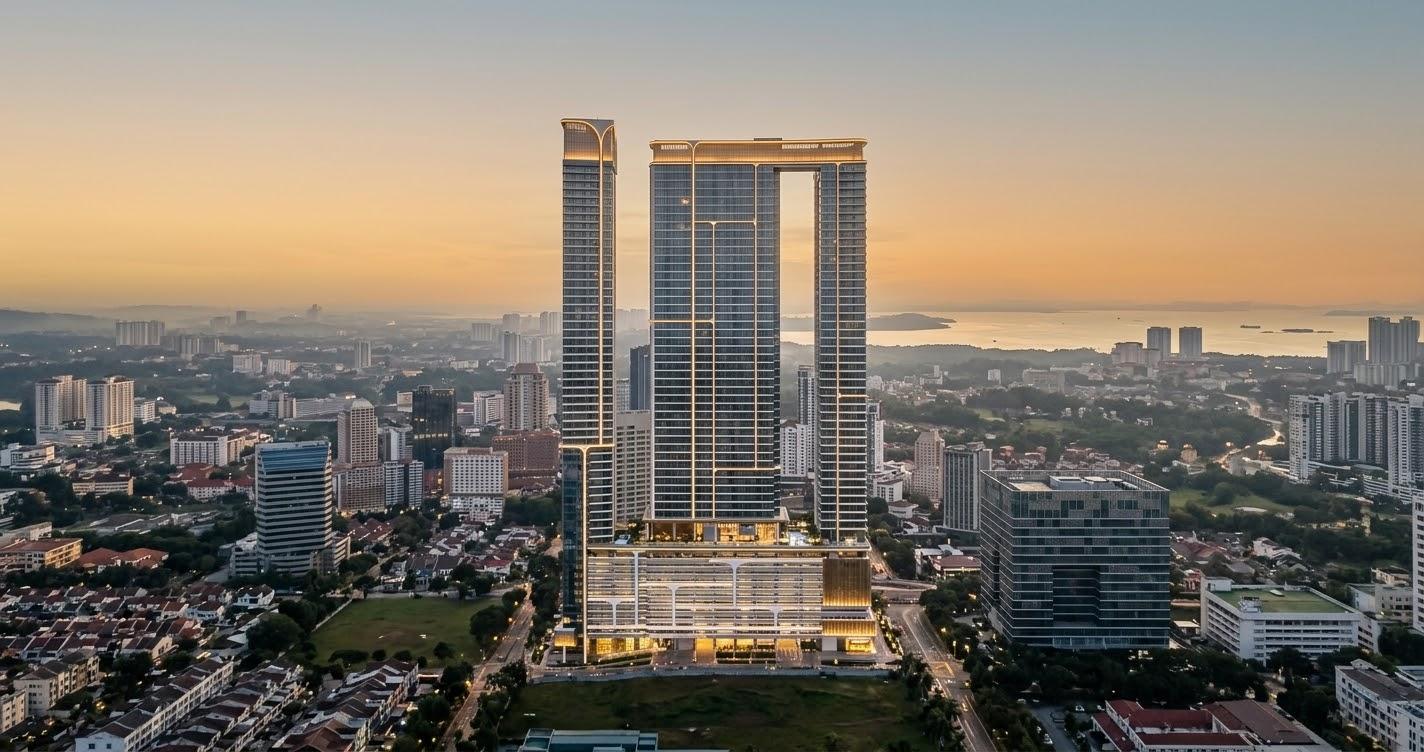
So the first move is to find the delivery date in your SPA and read the clause around it. SkyOne @ Bukit Chagar is a freehold development on commercial title, 300 m from the Bukit Chagar RTS station, with units from around RM628,000; the completion date stated in its SPA is November 2030, and the developer is CTC Development. That date, not the launch-day estimate, is the one your rights run from.
When a home sold under the Housing Development Act is handed over late, the buyer is owed liquidated ascertained damages — LAD. For a strata home on the Act's Schedule H standard contract, the developer must deliver vacant possession within 36 months of the SPA date (a landed home on Schedule G has 24 months). Miss that window, and LAD runs at 10% a year of the purchase price, calculated day by day, from the end of the window until vacant possession is actually given. (Source: Schedule H, Housing Development (Control and Licensing) Regulations, accessed November 2026.)
A worked figure makes it concrete. On a RM700,000 strata home delivered six months late, 10% a year is RM70,000 a year, or about RM192 a day — roughly RM35,000 for the six-month slip. You do not negotiate this after the fact; it is a formula written into the statutory contract. The catch most buyers miss: under the standard wording the claim typically crystallises once you take vacant possession, so you usually claim after you get the keys, not during the delay. (Source: iProperty, claiming LAD for late delivery, accessed November 2026.)
An off-plan purchase is not paid in one lump. You pay in stages as construction hits certified milestones, and for a home sold under the Housing Development Act those payments are meant to sit in a project-only housing-development account — ring-fenced for that development, kept apart from the developer's general cash, and drawn down only for permitted project costs. The point is plain: your money funds the building you are buying, and cannot be quietly moved to another project. (Source: National House Buyers Association, accessed November 2026.)
Getting the keys is not the end of the developer's duty. Under the statutory contract, any defect you report within 24 months of taking vacant possession — the defect liability period — is the developer's to repair at their own cost, and the standard wording gives them 30 days from your written notice to make good. Part of the purchase price, commonly 5%, is held back by a stakeholder and released in stages across that period, which is the lever that gets defects actually fixed. (Source: iProperty, strata defect rights, accessed November 2026.)
Here is the part a sales deck will not volunteer. Everything above is the statutory package: it applies to homes sold under the Housing Development Act on the Schedule G or Schedule H standard contract. Most of JB's city-centre stock is not sold that way. These are serviced residences built on commercial title, and commercial-title homes fall outside Housing Development Act protection. SkyOne is freehold on commercial title — freehold tenure and commercial title are two separate things, and you can read how they differ in the residential vs commercial title guide.
Outside the Act, the 10%-a-year LAD rate, the 36-month window, the housing-development account and the 24-month defect period are not automatic. Equivalent terms have to be written into the SPA itself, and they can differ — a lower LAD rate, a longer grace period, a cap on total damages, a shorter defect window. The dedicated homebuyer claims tribunal, a creature of the Act, may also be closed to a commercial-title buyer, leaving the contract and the courts as the route. None of this makes a commercial-title home a weak buy; it makes reading the SPA the decisive step. The protections are real when the contract spells them out — and that is yours to check before you sign.
Ask the developer for the full SPA to review before you pay a booking fee, and work through it in order:
A SPA that spells these out clearly is itself a signal about the developer. For the people behind SkyOne, read the CTC Group delivery record, and see the mistakes Malaysians make buying JB property and the step-by-step purchase process so nothing in the contract catches you cold.
A 2030 completion is a four-year promise, and a four-year promise is only as strong as the contract behind it. The Housing Development Act sets a generous default — 10%-a-year LAD, a 36-month window, your money ring-fenced, defects covered for two years — but it is a default for homes sold under the Act, and a commercial-title home like SkyOne carries only the protections its SPA writes down. Read that SPA, line by line, before the booking fee. See the delivery record behind the project you're considering, then model what your payments look like between now and keys.
Discover more insights and updates about our premium development
A leasehold does not lapse quietly. As the years run down, lending dries up and the owner is stuck. What lease expiry costs a JB investor, plainly.
Published on November 15, 2026 · 5 min read

Buying or selling leasehold in Johor? A restricted title needs State Authority consent to change hands — an extra step on the state's clock, not yours.
Published on November 13, 2026 · 6 min read

What does a freehold JB condo yield if you buy it in cash? A worked example on a RM628k entry unit — net rent, holding costs, and 0% RPGT after five years.
Published on November 9, 2026 · 8 min read